Tampa is a city that rewards people who plan about twenty minutes more than they think they need to. Most of the best things to do in Tampa are clustered within a few miles of the Hillsborough River, a free streetcar connects two of the most interesting neighborhoods, and the single biggest attraction sits eight miles north of downtown with its own parking problem. Get those three facts straight and the city opens up. Miss them and you spend your trip in a rental car on Interstate 275, wondering why everyone told you Tampa was walkable.
The short answer
If you have one day and want the version that actually works: walk a stretch of the Tampa Riverwalk in the morning, ride the free TECO Line Streetcar to Ybor City for lunch and an hour of wandering, then pick one paid attraction for the afternoon based on who you are traveling with. That is a genuinely good day and it costs about the price of a single museum ticket.
If you have two or three days, add Busch Gardens as a full day of its own — it is not a half-day park — and keep a morning free for either the water (a boat tour, a paddle on the river) or, between November and April, the manatees at Apollo Beach.
The five things most first-time visitors are glad they did, in rough order of how reliably they land:
- Busch Gardens Tampa Bay — the best roller coaster collection in Florida outside Orlando, and the reason a lot of people fly here in the first place.
- Ybor City — a genuine National Historic Landmark District with cigar-industry bones, Cuban and Spanish and Italian history, and chickens in the street.
- The Tampa Riverwalk — free, flat, shaded in places, and it strings together most of downtown’s museums and food.
- The Florida Aquarium — compact, well done, and a reliable answer to heat, rain and small children.
- The TECO Manatee Viewing Center — free, seasonal, and genuinely startling if you have never seen a manatee. Only open 1 November to 15 April.
Everything below is the detail behind those choices: what things cost, which ticket math actually saves money, what to do when it is 95 degrees or raining, and the handful of attractions that other guides still recommend even though they no longer exist.
What Tampa actually costs
Tampa is not an expensive city to visit, but the headline attractions use dynamic pricing, which means the number you see depends on the date you pick and how far ahead you book. The table below is what the operators themselves published in September 2026. Treat it as the shape of the market rather than a quote — re-check before you buy.
| Attraction | Adult | Notes |
|---|---|---|
| Busch Gardens Tampa Bay | from $61.99 online, $154.79 at the gate | Date-based pricing. The gap between advance and walk-up is the biggest in the city. |
| The Florida Aquarium | $45.95–$47.95 | “Plan-Ahead Pricing” — midweek is cheaper than Saturday. Child roughly $39–41. |
| ZooTampa at Lowry Park | $51.95 | Child $41.95. Rides included. |
| Tampa Museum of Art | $25 | Pay what you will Thursdays, 4–8pm. Free for college students with ID. |
| Tampa Bay History Center | $18.95 | Senior $16.95, youth 7–17 $14.95, under 6 free. |
| Ybor City Museum State Park | $4 | Wednesday to Sunday, 9am–4pm. The best value admission in Tampa. |
| TECO Line Streetcar | Free | Fare-free since 2018. Not a tourist novelty — it is real transit. |
| Tampa Riverwalk | Free | Open 24 hours. |
| TECO Manatee Viewing Center | Free | Parking free too. Seasonal: 1 Nov – 15 Apr only. |
Two patterns are worth internalizing. First, the free tier in Tampa is unusually strong — the Riverwalk, the streetcar, Bayshore Boulevard and the manatee center are not consolation prizes, they are several of the best experiences in the city. Second, the paid tier punishes walk-ups badly. Buying a Busch Gardens ticket at the gate instead of online can cost you more than double.
The ticket math that actually saves money
This is the part most Tampa guides skip, and it is worth more than any list of attractions.
If Busch Gardens is on your list, look at the Fun Card first
A single-day Busch Gardens ticket for a specific date started at $61.99 when checked in September 2026. An “Any Day Ticket”, which lets you turn up whenever within six months, was $114.99. The Fun Card — unlimited visits through the end of 2027, plus the rest of 2026, plus Adventure Island — was $129.99.
Read those numbers again. The annual-style pass costs about fifteen dollars more than one flexible single-day ticket. If there is any chance you will go twice, or that you will want the water park as well, the Fun Card is the obvious buy. Families who visit Florida more than once a year should almost never buy single-day Busch Gardens tickets.
The catch, and it is a real one: Adventure Island is seasonal. It runs roughly March to early November, drops to Friday-to-Sunday operation in the fall, and closes entirely through the winter. If you are in Tampa in January, the water park included with your Fun Card is a closed gate. Blockout dates also apply to the pass, so check them against your travel days before you buy.
CityPASS: good, but not as good as the percentage suggests
Tampa Bay CityPASS was $149.95 for adults and $139.95 for children in September 2026. It gets you five attractions from a list of seven: Busch Gardens, The Florida Aquarium, ZooTampa, The Tropics Boat Tours, Clearwater Marine Aquarium, MOSI and Glazer Children’s Museum. You have nine days to use it.
CityPASS advertises savings of up to 55 percent, and that figure is honestly calculated — but it compares against the highest published box-office price for each attraction. Since Busch Gardens alone accounts for $154.79 of that comparison, and since you would never actually pay $154.79 when the same ticket is $61.99 online, the real-world saving is a lot smaller than the headline.
Here is the useful way to think about it. The pass is clearly worth it if you will genuinely visit four or five of the seven. It is marginal if you will visit three. And two of the seven deserve a warning before you spend a slot on them:
- Clearwater Marine Aquarium is in Clearwater, about 25 miles across the bay. It is a good aquarium, but it is a separate day and a real drive, and the nine-day window is not generous if you are only in town for a long weekend.
- MOSI closed roughly 85 percent of its building and its IMAX theater back in 2017, and a plan to rebuild downtown was scrapped in 2022. It is still open daily and still good for younger children, but it is much smaller than its reputation and its name suggest. Go in expecting a mid-size science center, not a major museum.
The genuinely free version of Tampa
If you are traveling on a tight budget, the honest advice is that you can have an excellent two days in Tampa for the cost of food and parking. The Riverwalk, the streetcar, Ybor City’s streets, Curtis Hixon Waterfront Park, Bayshore Boulevard and — in winter — the manatee center are all free. Add the $4 Ybor City Museum State Park and a pay-what-you-will Thursday evening at the Tampa Museum of Art and you have covered history and art for about the price of a sandwich.
The big paid attractions, honestly assessed
Busch Gardens Tampa Bay
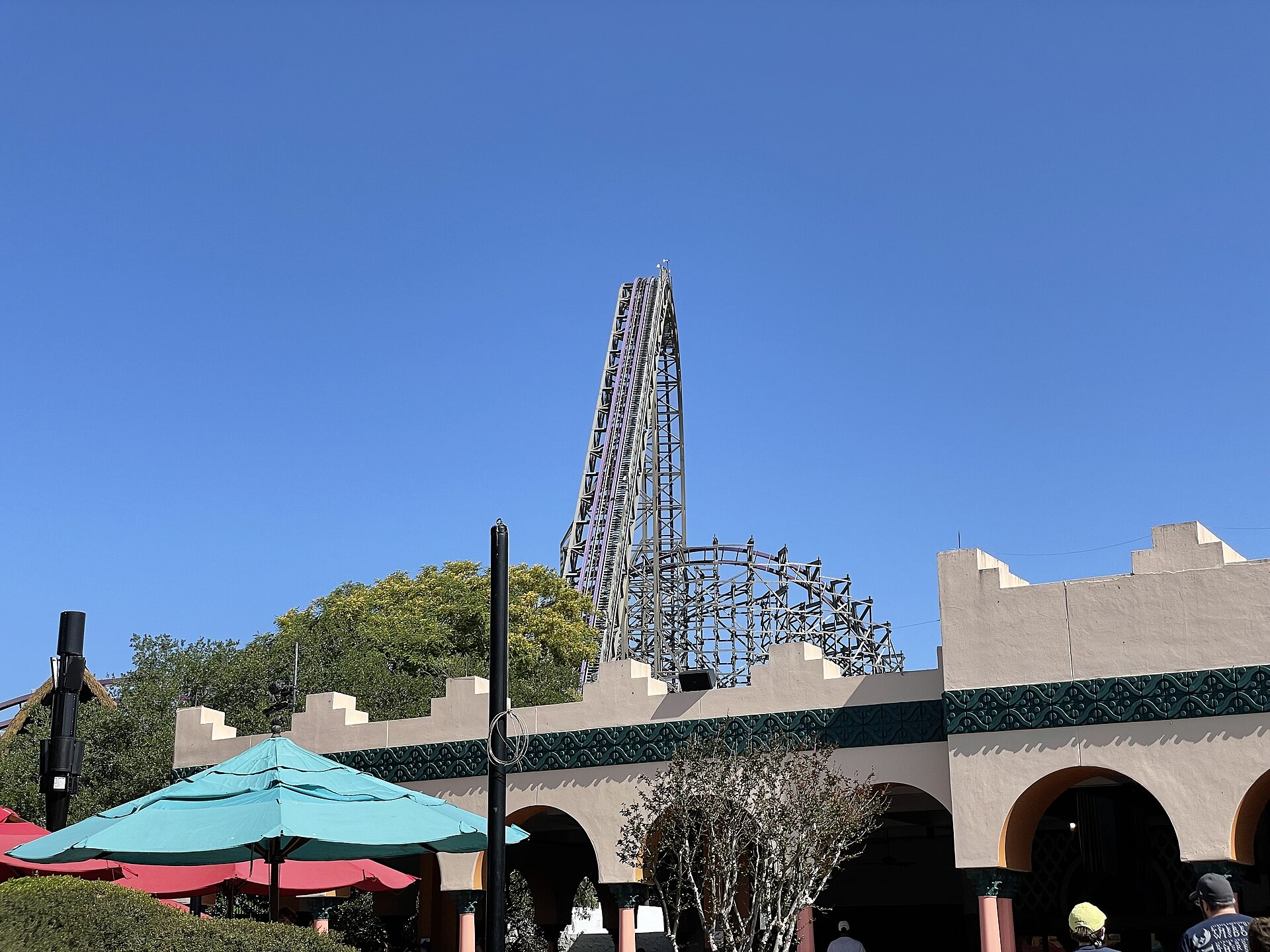
Busch Gardens is the reason a large share of visitors come to Tampa at all, and it earns that. The coaster line-up is the strongest in Florida outside the Orlando parks, and the park doubles as a serious zoo — more than 200 animal species, laid out as a loosely African-themed park with genuinely large habitats rather than cages.
Three practical things. It is a full day; people who try to combine it with downtown in the same day end up doing both badly. Parking is charged separately from admission, so factor it in. And the upsells are aggressive but not irrational — All-Day Dining was an extra $40 and is reasonable value if you would otherwise buy two meals and drinks inside the park, while Quick Queue is worth it on a busy Saturday and a waste on a quiet Tuesday.
If you are visiting between mid-September and Halloween, be aware that the park runs Howl-O-Scream on select nights. It is a separately ticketed after-dark event with scare zones and haunted houses, and it is emphatically not for young children. Day guests are cleared out before it starts unless they hold the combined ticket.
The Florida Aquarium
Compact, well-designed and right in the Channel District at 701 Channelside Drive, which means you can walk to it from the Riverwalk and the History Center. Adult admission ran $45.95 to $47.95 depending on the day in September 2026, with the aquarium’s “Plan-Ahead Pricing” making midweek visits cheaper than weekend ones. Serving military get 10 percent off at the ticket window with ID, and it participates in the AZA reciprocal program, so a membership at your home zoo or aquarium may get you in cheaper or free — worth checking before you pay full price.
It is the single most reliable wet-weather and extreme-heat option downtown, and the one attraction on this page that works equally well for a toddler and an adult with a mild interest in marine biology. Two to three hours is a realistic visit.
ZooTampa at Lowry Park
Around $51.95 for adults and $41.95 for children at the gate, with rides included in admission. ZooTampa’s real distinction is its manatee hospital — it is one of a small number of facilities in Florida licensed to rehabilitate injured and orphaned manatees, and the critical care center is open to visitors. If the wild manatee season at Apollo Beach does not line up with your trip, this is the year-round alternative.
It is about six miles north of downtown on West Sligh Avenue, so it is a drive or a rideshare rather than a walk. Gates open at 9:30am and the animals are far more active in the first two hours than in the afternoon heat.
Free Tampa: the Riverwalk, the streetcar and the water
The Tampa Riverwalk
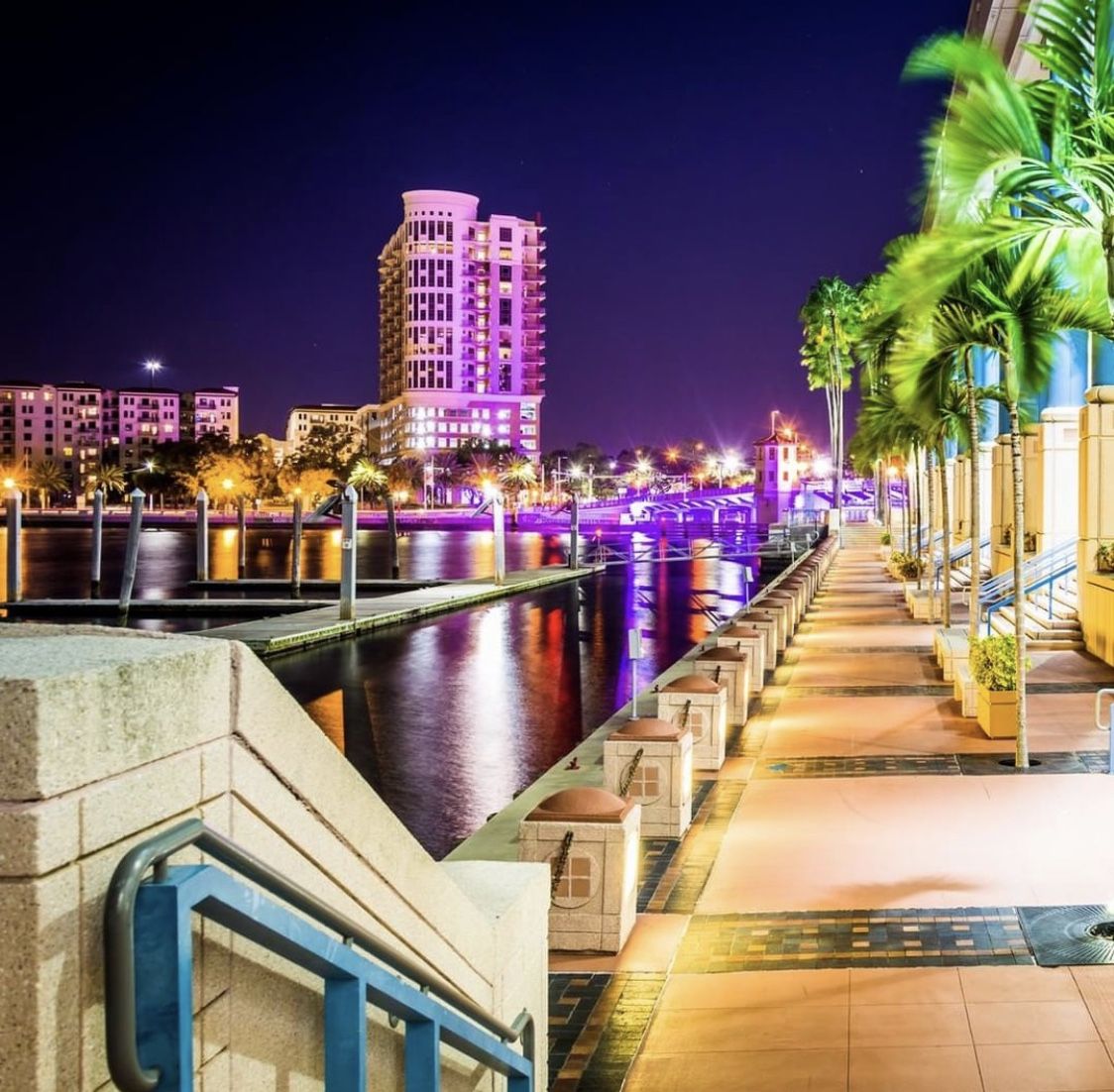
The Riverwalk runs 2.6 miles along the Hillsborough River, from Armature Works in Tampa Heights in the north to Sparkman Wharf in the Channel District in the south. It is free, it is open 24 hours, and it connects Cotanchobee Park, Curtis Hixon Waterfront Park, Julian B. Lane Riverfront Park and Water Works Park along the way, along with the Tampa Museum of Art, the Tampa Bay History Center, the Straz Center and Benchmark International Arena (called Amalie Arena until August 2025).
The practical value is that it turns downtown Tampa into a place you can do on foot. Walk the whole thing and you have a comfortable hour with water on one side for most of it. Walk the central stretch between Curtis Hixon and the History Center and you have covered most of what a visitor actually wants in about twenty minutes.
The TECO Line Streetcar
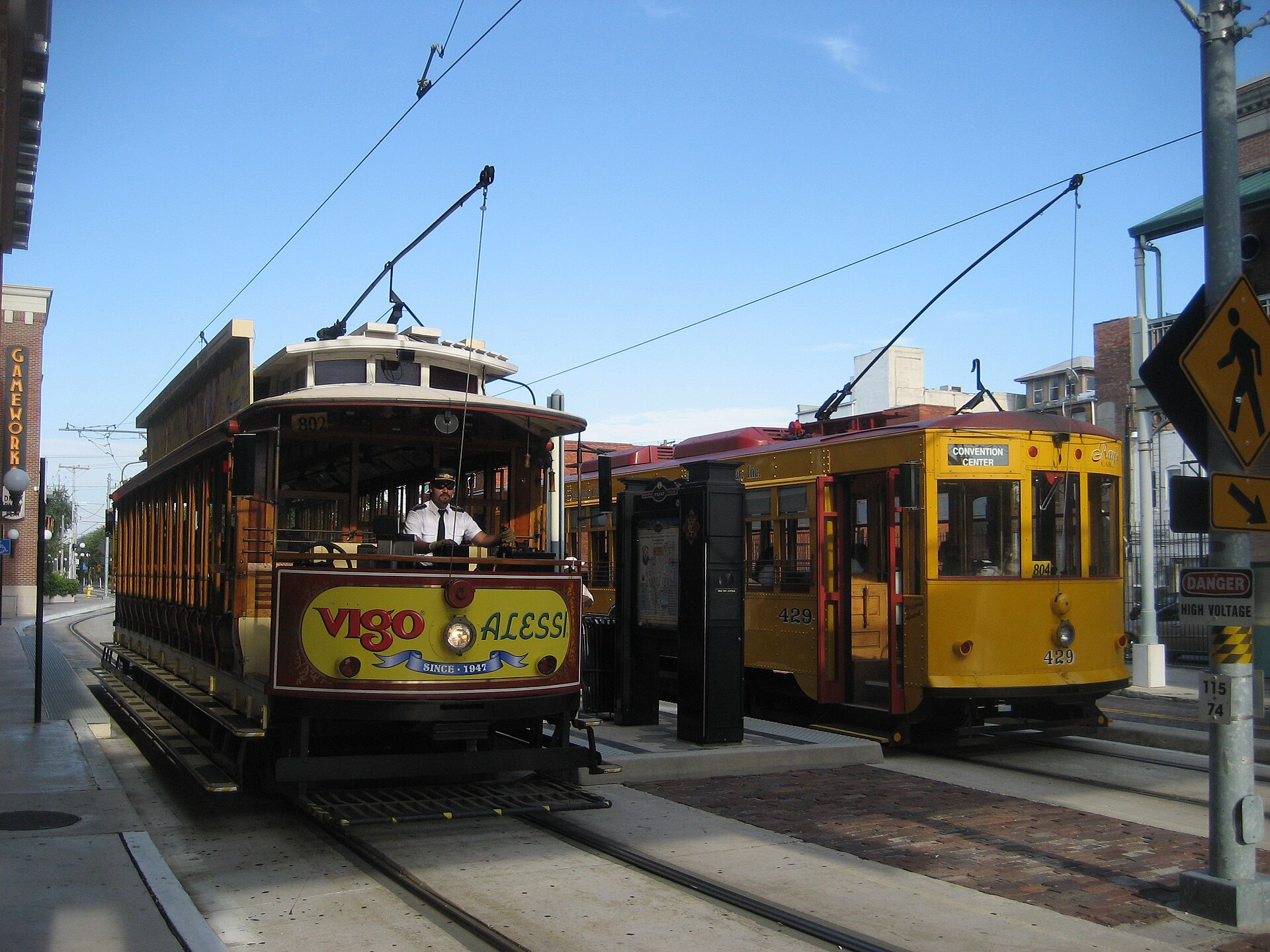
This is the piece of Tampa infrastructure most visitors underuse. The streetcar has been fare-free since 2018, runs 11 stations between Centennial Park in Ybor City and Hattricks in downtown, comes every 15 minutes and takes about 25 minutes end to end. Hours are generous — until 11pm most nights, and until 2am on Friday and Saturday.
It solves the exact problem visitors have: Ybor City and downtown are the two districts you most want to see, they are three miles apart, and parking in both is irritating. Park once, ride free, and skip the rideshare surge after dinner.
Bayshore Boulevard
Bayshore runs 4.5 miles along the water from Platt Street to Gandy Boulevard, with a ten-foot-wide balustraded sidewalk the entire way and some of Tampa’s grandest houses on the inland side. The city bills it as the world’s longest continuous sidewalk. That claim is contested — Galveston’s Seawall Boulevard is longer — but the pedantry misses the point. It is a superb, completely free walk or run, best at sunrise before the heat and the traffic noise build, and it is where Tampa looks most like itself.
The TECO Manatee Viewing Center
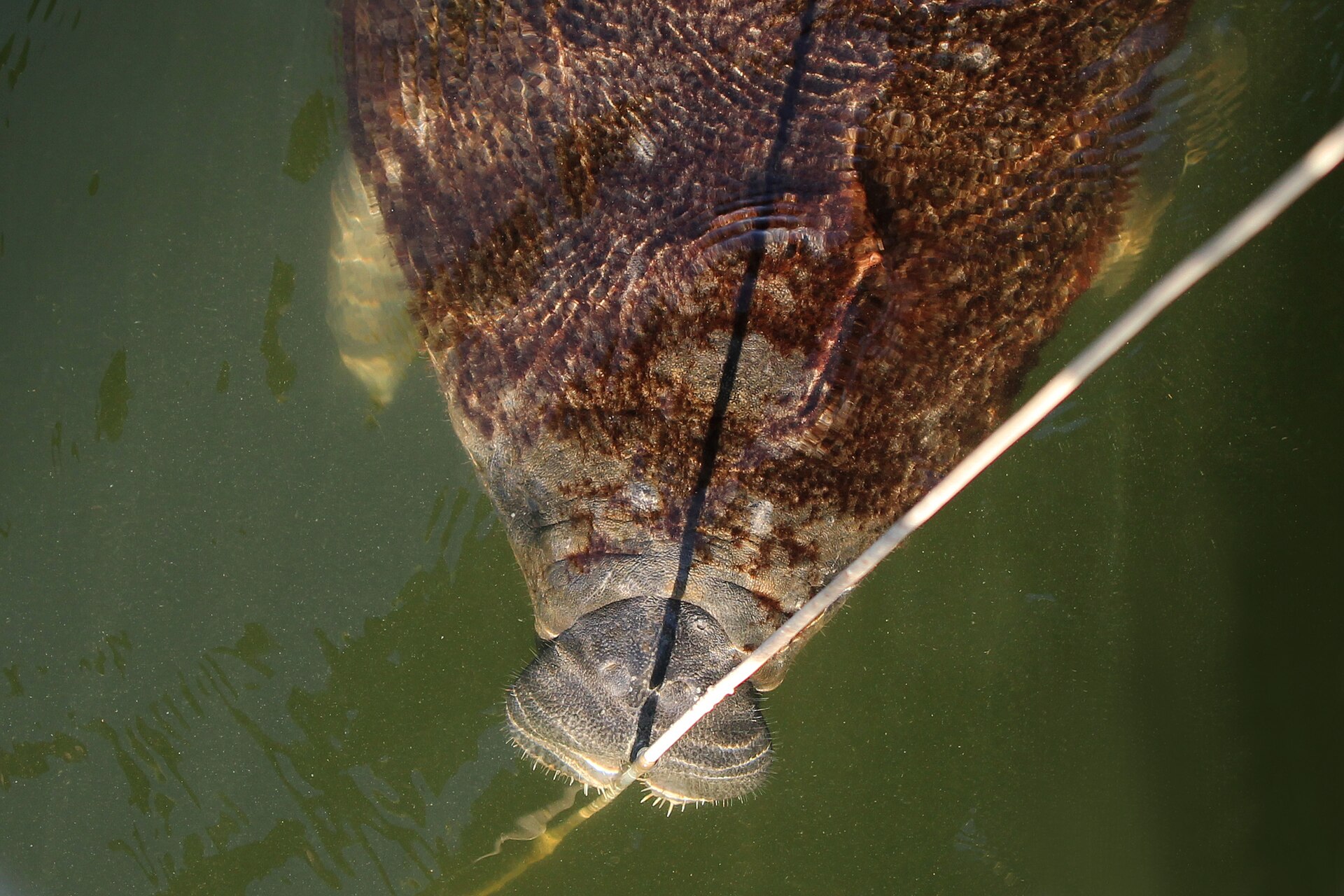
Manatees cannot tolerate cold water, so every winter they crowd into the warm-water discharge canal at the Big Bend Power Station in Apollo Beach, about 20 miles south of downtown. Tampa Electric built a viewing center around it, and it is free — admission and parking both.
The season is fixed and non-negotiable: 1 November to 15 April, daily 10am to 5pm, with the trails closing at 4pm. Outside those dates there is nothing to see and the center is shut. Inside them, on a genuinely cold morning, the numbers can be extraordinary. There is a 900-foot accessible boardwalk over the canal, a ray touch tank, a 50-foot observation tower and an education building. Cold snaps bring the most animals, so the worse the weather feels to you, the better the viewing.
Ybor City
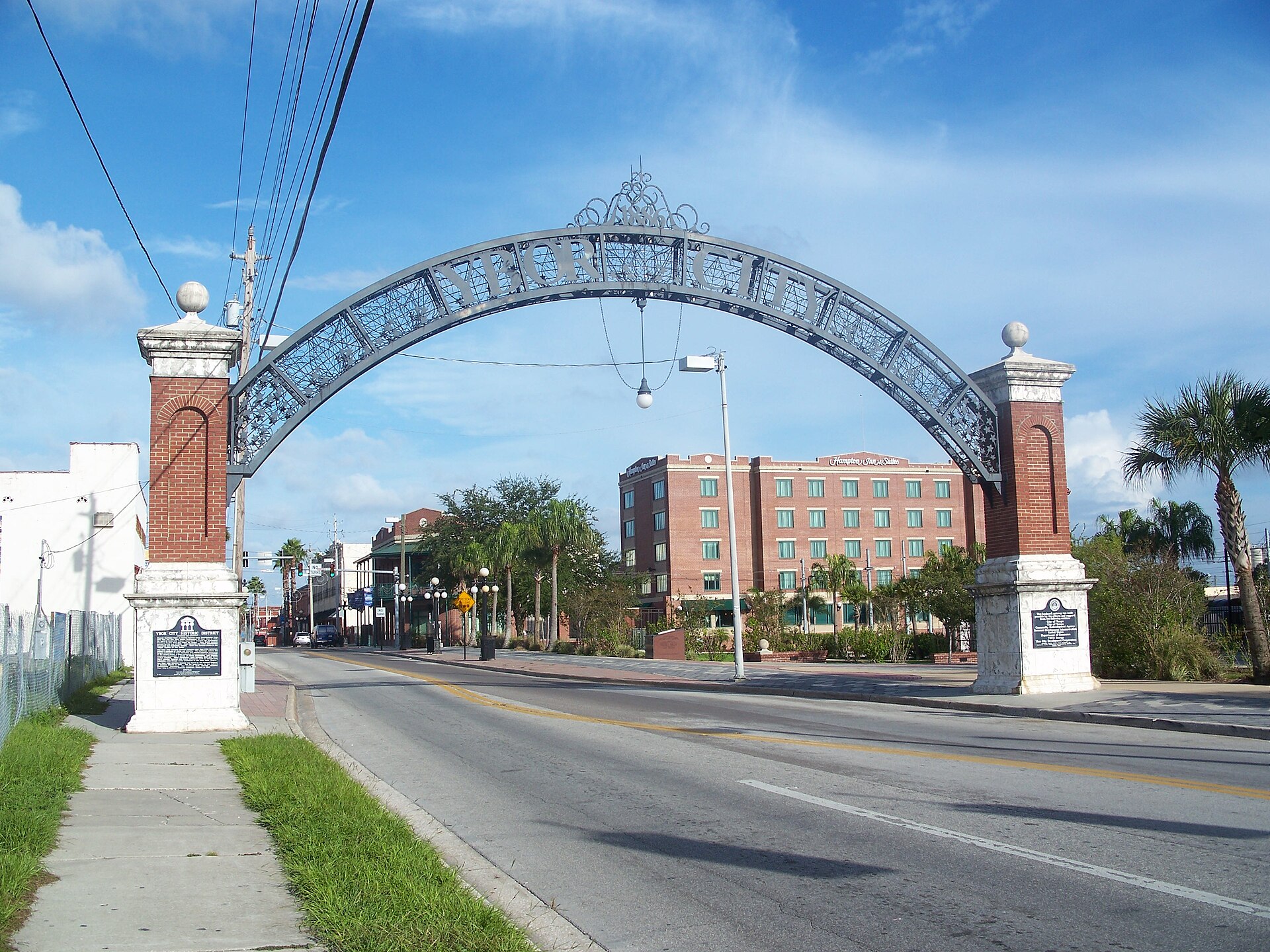
Ybor City is the most historically interesting square mile in Tampa and one of only two National Historic Landmark Districts in the state. It was built as a company town for the cigar industry in the 1880s, and filled with Cuban, Spanish, Italian and Jewish immigrants who built mutual aid societies, social clubs and a labour movement that had no real parallel in the American South.
What to actually do there:
- Ybor City Museum State Park — $4 per person, Wednesday to Sunday 9am to 4pm. Small, and all the better for it. It is housed in a former bakery and includes restored cigar workers’ cottages.
- Walk Seventh Avenue — the main commercial strip, best in daylight when you can actually see the brickwork and the wrought iron. It becomes a bar district at night, which is a different and more raucous proposition.
- The Columbia Restaurant — opened in 1905, Florida’s oldest restaurant and the largest Spanish restaurant in the world. It takes up a city block, seats around 1,700 across 15 dining rooms and is still run by the fifth generation of the same family. There is a ticketed flamenco performance most nights Monday to Saturday in the Siboney Room. Book ahead; it fills.
- The chickens — Ybor’s free-roaming chickens and roosters are descendants of birds brought north by Cuban cigar workers who came via Key West, and they are protected. They are also completely unbothered by you. Do not feed them, and do not be surprised when one crosses Seventh Avenue with more confidence than the traffic.
A note on timing: Ybor has two personalities. Before about 6pm it is a historic district with museums, cafés and cigar shops, and it is family-appropriate. After about 10pm on a weekend it is one of Tampa’s main nightlife strips, loud and crowded and much less so. Neither is wrong, but arrive knowing which one you have booked.
History and architecture
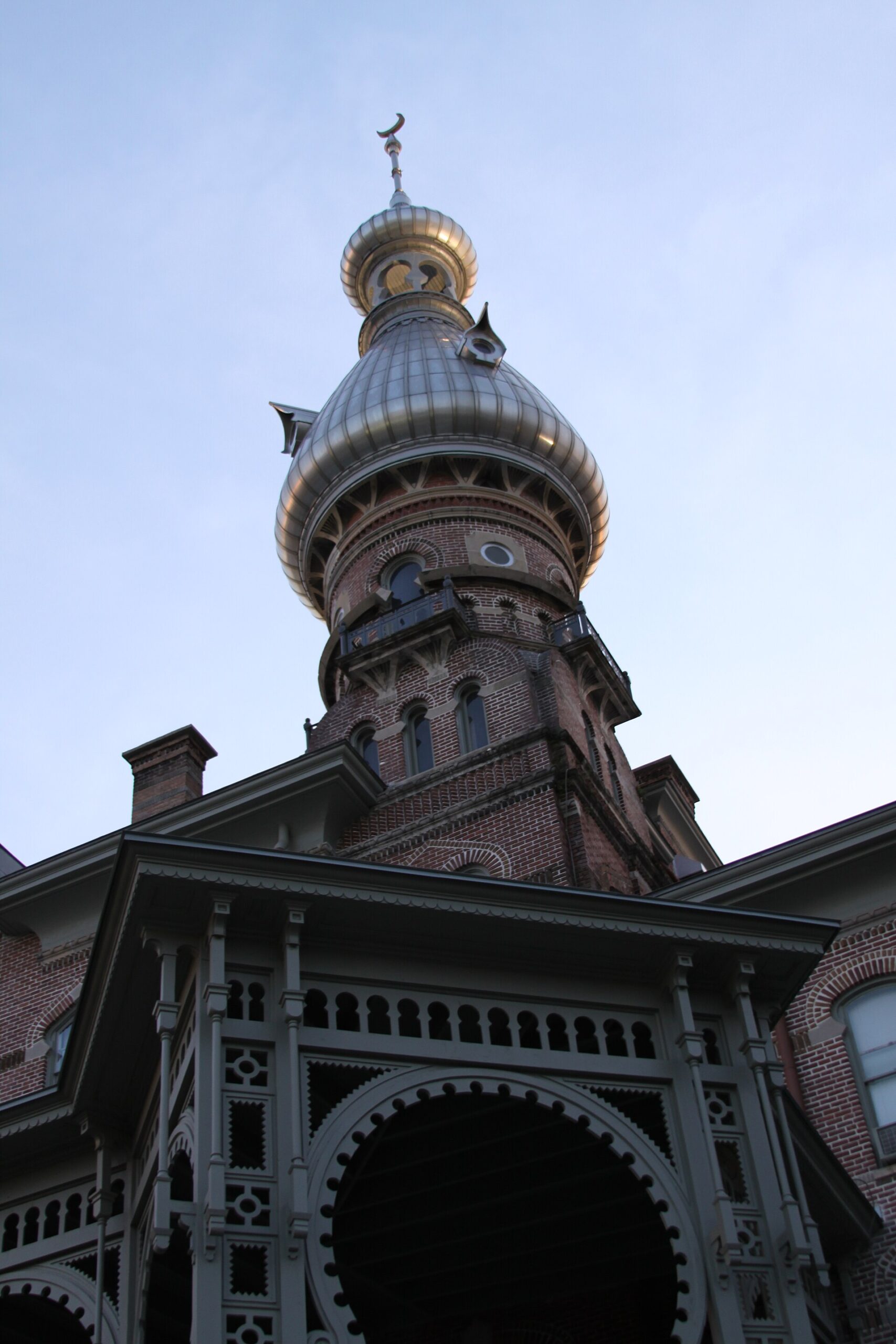
The Henry B. Plant Museum
The silver minarets you keep seeing across the river belong to the old Tampa Bay Hotel, a Gilded Age resort that operated from 1891 to 1932 and is now a National Historic Landmark. The building has housed the University of Tampa since 1933, and the Henry B. Plant Museum occupies part of the ground floor.
What makes it unusual is that the museum kept the hotel’s actual furnishings — the objects the first guests used, rather than a period-appropriate reconstruction. It also served as US Army headquarters during the Spanish-American War, which is how Teddy Roosevelt and the Rough Riders ended up in Tampa.
Open Tuesday to Saturday 10am to 5pm and Sunday noon to 5pm, closed Mondays. It also closes for Independence Day, Thanksgiving, Christmas Eve and Christmas Day — and, notably, for the Gasparilla invasion and parade, which catches people out every January.
Tampa Theatre
A 1926 atmospheric movie palace at 711 North Franklin Street, built to look like a Mediterranean courtyard at night, with 1,238 seats in the main auditorium and a small 43-seat screening room. It is not a museum piece: it runs close to a thousand events a year, including first-run and classic films. Seeing something — anything — in it is a better experience than touring it, and cheaper. Check what is showing before you plan a separate tour.
Tampa Bay History Center
At 801 Water Street on the Riverwalk, $18.95 for adults. Three floors covering the region from the Indigenous peoples and Spanish conquistadors through Florida’s cattle-ranching era to the cigar industry, plus the Touchton Map Library for anyone who likes old cartography. The Columbia Cafe on site is run by the same family as the Ybor restaurant, which makes it one of the better museum lunches in the state.
If you only do one indoor history stop, this is the one that explains why Tampa looks the way it does.
Matching Tampa to who you are traveling with
Families with young children
The Florida Aquarium and ZooTampa are the two highest-hit-rate choices, and both work in bad weather. Glazer Children’s Museum sits beside Curtis Hixon Waterfront Park downtown, which has a splash pad and a playground — a good combination, because you can alternate indoor exhibits with letting them run. Busch Gardens works for older children and teenagers; for under-sixes, a lot of the park is height-restricted and the day gets expensive fast.
Couples
The Riverwalk at dusk, dinner in Ybor or at one of the food halls, flamenco at the Columbia, and Bayshore Boulevard early the next morning. If you want water, a sunset boat tour out of the Channel District is the least touristy version of a very touristy idea.
Traveling without a car
Entirely feasible if you stay downtown or in Ybor. The streetcar covers the corridor between them, the Riverwalk covers downtown on foot, and a single rideshare handles Busch Gardens or the zoo. What does not work without a car is the manatee center, the beaches or anything across the bay — budget for a rental day or a long rideshare if those matter to you.
When it is dangerously hot
Tampa’s summer is not a mild inconvenience. From June to September the combination of heat and humidity makes midday outdoor sightseeing genuinely unpleasant and, for some people, unsafe. The workable pattern is outdoors before 11am, indoors from noon to 4pm, outdoors again after 5pm. The Florida Aquarium, the History Center, the Tampa Museum of Art, Tampa Theatre and the Plant Museum are all air-conditioned, all downtown, and all within walking distance of each other.
When it rains
Summer afternoon thunderstorms in Tampa are usually short, violent and over within an hour. The mistake is rebuilding the whole day around them. The better move is to have one indoor stop held in reserve and to treat the storm as the cue to use it. Lightning is the real risk, not the rain — get off the water and out of open parks when you hear thunder, and wait it out properly.
How much time do you actually have?
Most Tampa advice assumes a clean two-day slate. In practice people arrive with awkward fragments — a free afternoon before a cruise, a morning between checkout and a flight, one evening. Here is what fits.
Two hours
Walk the central Riverwalk between Curtis Hixon Waterfront Park and the Tampa Bay History Center and stop at one of them. That is the highest ratio of Tampa-per-minute available, it is free unless you go inside, and it is all flat and paved. If you have two hours in Ybor instead, do Seventh Avenue and the $4 museum.
Half a day
Pick one paid attraction and one free one, in that order. The Florida Aquarium plus the Riverwalk works if you are downtown. Ybor City plus the streetcar ride to get there works if you want history over animals. What does not fit in half a day is Busch Gardens — the drive, the parking and the park’s own scale make it a false economy.
One full day
Either Busch Gardens and nothing else, or the downtown-and-Ybor combination described at the top of this page. Trying to do both is the single most common Tampa planning mistake.
An evening only
The Riverwalk is lit and open 24 hours, the streetcar runs until 11pm on weeknights and 2am on Friday and Saturday, and Ybor is at its liveliest after dark. A film at Tampa Theatre is a better use of a spare evening than most things that cost three times as much.
Accessibility
Tampa’s core visitor area is flatter and easier than most American cities — there are no hills downtown and the main corridors are paved. Some specifics worth knowing, all taken from the venues’ own published information in September 2026:
- The Tampa Riverwalk is a paved, level multi-use path for its full 2.6 miles, which makes it one of the more straightforward waterfront walks in Florida for wheelchair users and anyone with a pushchair.
- The Tampa Bay History Center loans wheelchairs, and publishes guides for visitors with autism and sensory-processing needs. Worth requesting in advance rather than on arrival.
- The TECO Manatee Viewing Center‘s main feature is a 900-foot accessible boardwalk over the discharge canal, so the headline experience does not depend on rough ground. The nature trails beyond it are a different matter and close at 4pm.
- Busch Gardens runs a Ride Accessibility Program that matches individual abilities to each ride’s requirements, and publishes a long accessibility guide covering the park attraction by attraction. Two things to know going in: you enroll at Guest Relations once you are inside the park, and staff may steady someone transferring from a wheelchair but are not permitted to lift. Every guest must be able to board either unaided or with help from their own party, so plan who is traveling with you accordingly.
Provision at the smaller historic sites is more variable — Ybor’s restored cigar workers’ cottages and parts of the century-old Plant Hall were not built with step-free access in mind. Call ahead if it matters to your day, and ask about the specific building rather than the organization.
Where to base your day
- Downtown and the Channel District — the Riverwalk, the aquarium, the History Center, the art museum, Sparkman Wharf and Benchmark International Arena. The most walkable part of the city and the best base for a first visit.
- Ybor City — history by day, nightlife by night, connected to downtown by the free streetcar.
- Tampa Heights — anchored by Armature Works, a 1910 building that was once Tampa Electric’s streetcar storage and maintenance barn and is now a 22,000-square-foot food hall with around 22 vendors. It sits at the northern end of the Riverwalk.
- North Tampa — Busch Gardens, Adventure Island and MOSI are all up here, well away from downtown. Sensible for a theme park day, not for a walkable evening.
- South Tampa — Bayshore Boulevard, Hyde Park, and the University of Tampa’s minarets. Residential, handsome and best on foot or by bike.
Timing your trip
Broadly: winter and early spring are the best weather and the highest prices, summer is hot and wet and cheaper, and fall sits in between with hurricane season still running. The Atlantic hurricane season formally runs 1 June to 30 November, with the greatest activity in the late-summer and early-fall months — worth building travel insurance and flexible bookings around if you visit then, rather than worrying about it day to day.
One specific date to plan around. Gasparilla, Tampa’s pirate festival, brings something like 300,000 people into the city. The Children’s Gasparilla parade falls on 23 January 2027 and the main Seminole Hard Rock Gasparilla Pirate Fest on 30 January 2027 — it has been held on the last Saturday in January since 2005. If you want to see it, book accommodation early. If you do not, avoid that weekend entirely: downtown and Bayshore close to traffic, hotel rates spike, and several attractions including the Plant Museum shut for the day.
What to skip, and what is already gone
Two corrections to the Tampa listicles still circulating online.
Big Cat Rescue is closed. The sanctuary made famous by Tiger King stopped taking visitors permanently on 4 November 2023, after 31 years. Its remaining cats were moved to Turpentine Creek Wildlife Refuge in Arkansas by December 2023, and 56 of its 67 acres were sold in December 2024 for housing. It still appears on a surprising number of “things to do in Tampa” pages. You cannot go. Do not build a day around it.
MOSI is not the museum its name implies. As noted above, it closed most of its building and its IMAX in 2017 and never rebuilt. It remains a perfectly decent outing for primary-school-age children, but visitors arriving expecting a flagship science museum are routinely disappointed, and it is the weakest of the seven CityPASS options for adults.
One more piece of honest advice, which is not about a closure: do not try to do Tampa and Orlando in the same trip unless you have at least five days. They are about 85 miles apart. It is done constantly and it usually means two rushed half-cities instead of one good one.
Frequently asked questions
How many days do you need in Tampa?
Two full days covers downtown, Ybor City and one major attraction comfortably. Three days lets you add Busch Gardens as its own day without compressing everything else. If beaches or a day trip across the bay are part of the plan, four.
Is Tampa walkable?
Downtown, the Channel District and Ybor City are walkable individually, and the free TECO Line Streetcar connects downtown to Ybor. The rest of the city is not — Busch Gardens, ZooTampa and the manatee center all need a car or a rideshare.
What is the cheapest way to see Tampa?
Stay near the streetcar line, walk the Riverwalk and Bayshore Boulevard, pay $4 for Ybor City Museum State Park, go to the Tampa Museum of Art on a Thursday evening when admission is pay-what-you-will, and — if you are visiting between November and April — spend a free morning at the manatee viewing center.
Is Tampa Bay CityPASS worth it?
It is worth it if you will genuinely use four or five of the seven included attractions, especially if Busch Gardens is one of them and you would otherwise pay near-gate prices. It is marginal at three, and the advertised saving overstates the real benefit because it compares against full box-office prices rather than the discounted online prices most people actually pay.
What is the best time of year to visit Tampa?
Roughly November through April: warm, dry, low humidity and manatee season overlapping. It is also the most expensive and busiest window. Summer is cheaper but hot, humid and stormy, and hurricane season runs from June to November.
Can you see manatees in Tampa?
Yes, and reliably, but only in winter. The TECO Manatee Viewing Center at Apollo Beach is free and open 1 November to 15 April. Outside that window, ZooTampa’s manatee critical care center operates year-round.
Is Ybor City safe?
Ybor City during the day is a historic district with museums, cafés and shops, and it is straightforward. Late at night on weekends it is a busy bar strip with the usual considerations of any nightlife district — stay on the main streets, keep track of your group, and use the streetcar or a rideshare rather than walking back to downtown in the dark.
Do you need a car in Tampa?
Not if you are staying downtown or in Ybor and sticking to those districts plus one or two rideshares. Yes, if beaches, the manatee center, day trips or multiple North Tampa attractions are on your list.
Related Tampa Guides
- Busch Gardens Tampa Bay Vacation Guide — the full breakdown of what a day costs, why the Fun Card so often beats a single ticket, and the skip-the-line tier that quietly excludes the park’s two best coasters.
- Tampa Riverwalk and Downtown Visitor Guide — 2.6 free miles along the Hillsborough River, segment by segment, with what every stop on it actually costs.
- Tampa International Airport Visitor Guide — which Airside your airline uses, what parking costs, and how to get from TPA to anywhere in the region.
- Ybor City Visitor Guide — the cigar district in full: history, the $4 museum, the chickens, and the day-versus-night split.
- Tampa Bay Itineraries for Every Trip — this list turned into route plans for one to five days, in map order, with real distances and honest travel buffers.
- Tampa Bay Sports Guide — Buccaneers, Lightning, Rays and spring training, with the venue rules that decide whether you get through the gate.
- Tampa with Kids Family Vacation Guide — the same city sorted by age band, with ride heights, costs and shade.
- Best Day Trips from Tampa — where to go once the city is done, ranked by feasibility rather than by looks.
- Tampa Bay Water Activities, Boating and Fishing Guide — everything on the water, with the paperwork explained.
- Best Museums, Art and Culture in Tampa Bay — every museum compared on price, collection and time, with the discount evenings.
- Shopping in Tampa Bay — by district, format and budget, with parking and the sales tax math.
- Best Things to Do in St. Petersburg Florida — the Dalí, the free St. Pete Pier and the murals, across the bay and a separate day from anything on this page.
- Best Restaurants and Food in Tampa Bay — the Cuban sandwich, the Columbia and stone crab in season, plus when a weekend table needs booking ahead.
- Tampa Bay Events and Festivals Guide — the year month by month, including Gasparilla weekend and the other dates that fill hotels and downtown garages.
Sources and verification
Prices, hours and seasonal dates on this page were checked against the operators’ own websites in September 2026 and are dated in the text where they appear. Tampa’s major attractions use date-based dynamic pricing, so treat published figures as indicative and confirm at the point of purchase.
- Ticket pricing, Fun Card terms and Howl-O-Scream dates — Busch Gardens Tampa Bay, checked 18 September 2026.
- Plan-Ahead Pricing, hours, military and AZA reciprocal discounts — The Florida Aquarium, checked 18 September 2026.
- Pass price, included attractions and box-office comparison figures — Tampa Bay CityPASS, checked 18 September 2026.
- Admission, hours and pay-what-you-will Thursdays — Tampa Museum of Art, checked 18 September 2026.
- Admission, hours and collection details — Tampa Bay History Center, checked 18 September 2026.
- Hours, closures and building history — Henry B. Plant Museum, checked 18 September 2026.
- Fares, hours, frequency and station count — TECO Line Streetcar, checked 18 September 2026.
- Season dates, hours and site facilities — TECO Manatee Viewing Center, checked 18 September 2026.
- Riverwalk parks and connections — City of Tampa, checked 18 September 2026.
- Admission and opening days — Ybor City Museum State Park, checked 18 September 2026.
- Theatre history, capacity and programming — Tampa Theatre, checked 18 September 2026.
- Parade dates and road closures — City of Tampa special events, checked 18 September 2026.
This guide is written from published primary sources and public records. It does not claim on-the-ground testing, staff interviews or original photography, and nothing here is a personal recommendation dressed up as first-hand experience.
Photo credits
Tampa Riverwalk at night near the Convention Center: photo by Eric Statzer, CC BY-SA 4.0, via Wikimedia Commons.
Iron Gwazi lift hill at Busch Gardens Tampa Bay: photo by Adog, CC BY-SA 4.0, via Wikimedia Commons.
TECO Line streetcars in Ybor City: photo by Infrogmation of New Orleans, CC BY-SA 3.0, via Wikimedia Commons.
Florida manatee at the Big Bend Power Station, Apollo Beach: photo by Judy Gallagher, CC BY 2.0, via Wikimedia Commons.
Ybor City historic district entrance arch: photo by Ebyabe, CC BY 2.5, via Wikimedia Commons.
Minaret of the former Tampa Bay Hotel, now Plant Hall: photo by Taty2007, CC BY 3.0, via Wikimedia Commons.