Here is the sentence that saves visitors a fine: Florida’s free shoreline fishing licence is for residents. If you are visiting from another state and you cast a line off a Florida beach, you need a paid non-resident licence — $17 for three days — unless you are standing on a pier that holds its own licence or sitting on a licensed charter. Most guides to water activities tampa will tell you where the fish are. Rather fewer will tell you that the Fish and Wildlife Conservation Commission requires a licence “to land saltwater species in Florida regardless of where they are caught.”
This guide is organized around the two things that actually stop people getting on the water here: the paperwork, and the weather. Then the activities, sorted by how much skill and money each one genuinely needs.
Short answer: what to do on the water, by budget and skill
| Activity | Skill needed | Paperwork | Rough cost | Best season |
|---|---|---|---|---|
| Watching manatees from a boardwalk | None | None | Free | 1 Nov – 15 Apr |
| Riding the water taxi | None | None | $34 adult day pass | Year-round |
| Fishing from a licensed pier | Low | Usually none — the pier’s licence covers you | Pier entry plus tackle | Year-round |
| Fishing from shore | Low | Non-resident licence required | $17 for 3 days | Year-round |
| Kayaking or paddleboarding | Low to moderate | None for a rental paddle craft | Rental rates | Oct–May; avoid summer afternoons |
| Guided fishing charter | None — the guide has it | None if the vessel is licensed | Charter rates | Year-round, species-dependent |
| Renting a powerboat yourself | High | Boating Safety Education ID Card if born on or after 1 Jan 1988 | Rental plus fuel | Year-round |
| Swimming at a Gulf beach | Low | None | $6–8 parking | Apr–Nov for water temperature |
The row worth staring at is the first one. The best water experience in Tampa Bay between November and mid-April costs nothing, requires no licence, no skill and no booking, and we will come back to it.
The paperwork, first, because it is where trips go wrong
Fishing licences: what a visitor actually needs
Florida Fish and Wildlife Conservation Commission rates, checked September 2026:
| Licence | Cost |
|---|---|
| Resident annual saltwater | $17.00 |
| Resident Shoreline-Only | $0.00 — free, but you must still obtain it |
| Non-resident 3-day saltwater | $17.00 |
| Non-resident 7-day saltwater | $30.00 |
| Non-resident annual saltwater | $47.00 |
FWC’s own wording is unambiguous: “A Florida fishing license is required to land saltwater species in Florida regardless of where they are caught.” The free Shoreline-Only option is a resident licence. There is no free shoreline equivalent for a visitor.
Who does not need one
The exemptions, as FWC states them:
- Anyone under 16. Children do not need a licence.
- Anyone fishing from a pier that holds a valid saltwater pier licence. The pier’s licence covers everyone on it. Ask at the entrance rather than assuming — not every pier holds one, and this is exactly the sort of thing worth confirming before you pay to walk on.
- Anyone fishing from a for-hire vessel — a guide, charter or party boat — that holds a valid charter licence. This is the simplest route for a visitor: book a licensed charter and the paperwork is the operator’s problem.
- Florida residents fishing from land or a structure fixed to land who qualify for food stamps, temporary cash assistance or Medicaid, carrying proof. This does not extend to fishing from a vessel.
- Florida residents using live or natural bait on a pole or line with no line-retrieval mechanism, non-commercially, in their home county.
FWC also runs free saltwater and freshwater fishing days on which the licence requirement is waived; the dates were not published on the page we checked, so confirm the current ones directly rather than planning around a date you read somewhere else.
One thing the exemptions do not cover: shark and crab-trap registrations have no permit exemptions, even for people who are exempt from the licence itself. If your plan involves either, that is a separate requirement.
The Boating Safety Education ID Card
If you intend to operate a boat yourself rather than sit on someone else’s, this is the rule that will stop you at the rental counter.
FWC’s wording: “Anyone born on or after Jan. 1, 1988, must have a Boating Safety Education Identification Card to legally operate a boat in Florida.” A course completion certificate serves as a temporary means of complying.
What we could not verify, and are therefore not going to state: the page we checked did not give an engine horsepower threshold, list exemptions, explain how renters and out-of-state visitors are treated, say how long a temporary certificate remains valid, or set out what a rental livery must do. Those details exist and they matter. Call the rental company before you book and establish exactly what they will require from whoever is driving. A rental morning is a bad time to discover the answer.
Wildlife rules that are laws, not etiquette
Manatees
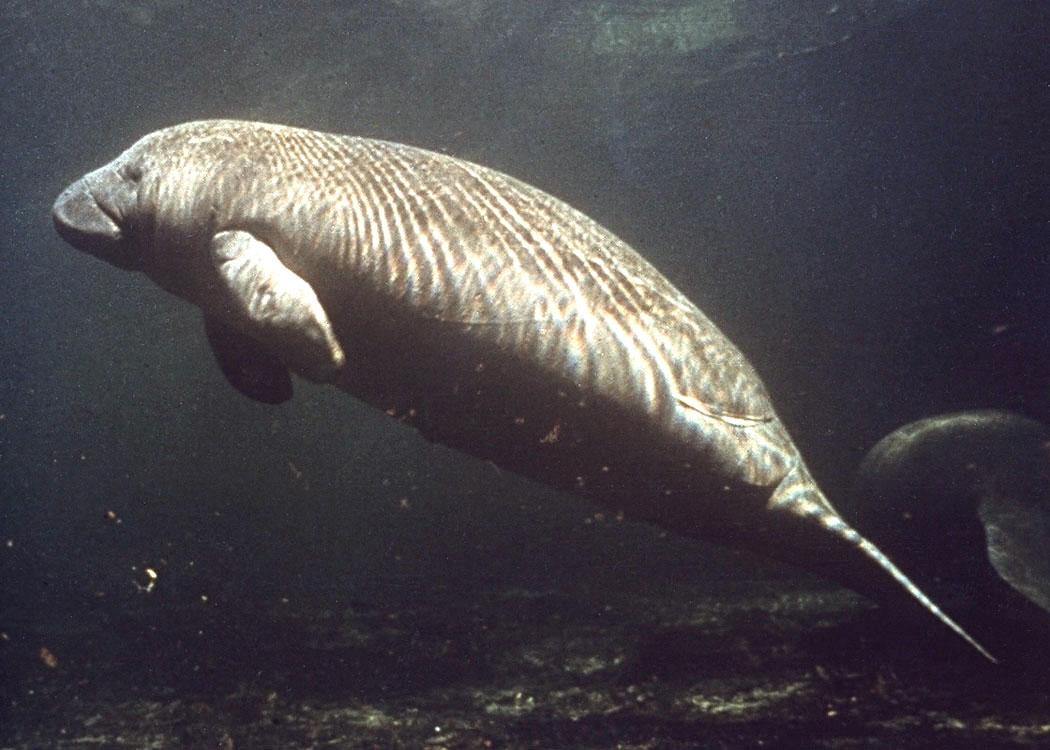
Manatees are protected under both state and federal law and the protection is enforced. The rules that matter on the water:
- Do not touch, feed, chase, corner or separate a mother from her calf. Giving fresh water to a manatee — which people do, thinking they are helping — draws animals toward docks and hoses and into boat traffic.
- Observe manatee speed zones. They are posted, they are enforced, and they exist because propeller strikes are a leading cause of manatee injury and death. Slow-speed and idle-speed zones mean exactly what they say.
- If an animal moves away from you, let it. Following it is pursuit.
And the free, legal, excellent alternative to all of this: the TECO Manatee Viewing Center at 6990 Dickman Road in Apollo Beach, free including parking, open daily from 1 November to 15 April, 10am to 5pm with the trails closing at 4pm. Manatees gather in the power station’s warm-water outflow in winter, which is why the season runs when it does. There is a 900-foot boardwalk over the tidal flat, a ray touch tank and a 50-foot observation tower.
You will see more manatees from that boardwalk, for nothing, than from a kayak, and you will not risk committing an offense doing it. Outside that window the centre is closed and the animals are not there.
Nesting sea turtles
Loggerhead sea turtles nest at Fort De Soto from April through September. During those months, keep away from marked nests, do not use white lights on the beach at night, and fill in any holes you dig — hatchlings fall into them. This is not a formality either; sea turtles are federally protected.
Birds
Fort De Soto alone has recorded more than 328 bird species over sixty years, and much of the Tampa Bay shoreline holds nesting and roosting colonies. Posted shorebird areas are posted for a reason. A flushed colony in the heat can lose a whole season’s chicks.
Paddling: kayaks, canoes and paddleboards
This is the most accessible way onto the water here and needs no licence for a rental paddle craft.
Where it works
- The Hillsborough River — the urban stretch through downtown is sheltered and scenic, with the Riverwalk alongside. Further upstream it becomes genuine old Florida river, with cypress and wildlife.
- The Tampa Bay shoreline and its mangrove systems — shallow, protected in the right conditions, and the best place to see wading birds close up.
- Fort De Soto — 1,136 acres across five interconnected keys, with sheltered water on the bay side. County parking is $6 a day, as it is at Sand Key and Fred Howard.
- Caladesi Island, reachable by ferry from Honeymoon Island or $6 per boat if you bring your own, reopened for day use on 29 June 2026 after Hurricane Helene damage — with no power or water on the dock, no overnight marina and possibly limited food service.
When not to go
Two hard rules. Do not paddle in the afternoon between June and September, when this region takes 61% of its annual rainfall in concentrated storms — you do not want to be the tallest object on open water when one arrives. And do not paddle a flat, open bay in strong wind, which turns a sheltered-looking crossing into a serious one very quickly. Morning is the paddling window here, in every season, for both reasons.
The honest skill note
Sheltered river and mangrove paddling is genuinely beginner-friendly. Open-bay paddling is not, and the distinction is not obvious from a map, because the water looks equally calm from the car park. If you have not paddled before, book a guided trip or stay on the river, and take the outfitter’s advice about conditions over your own assessment of the view.
Fishing, properly
From a pier
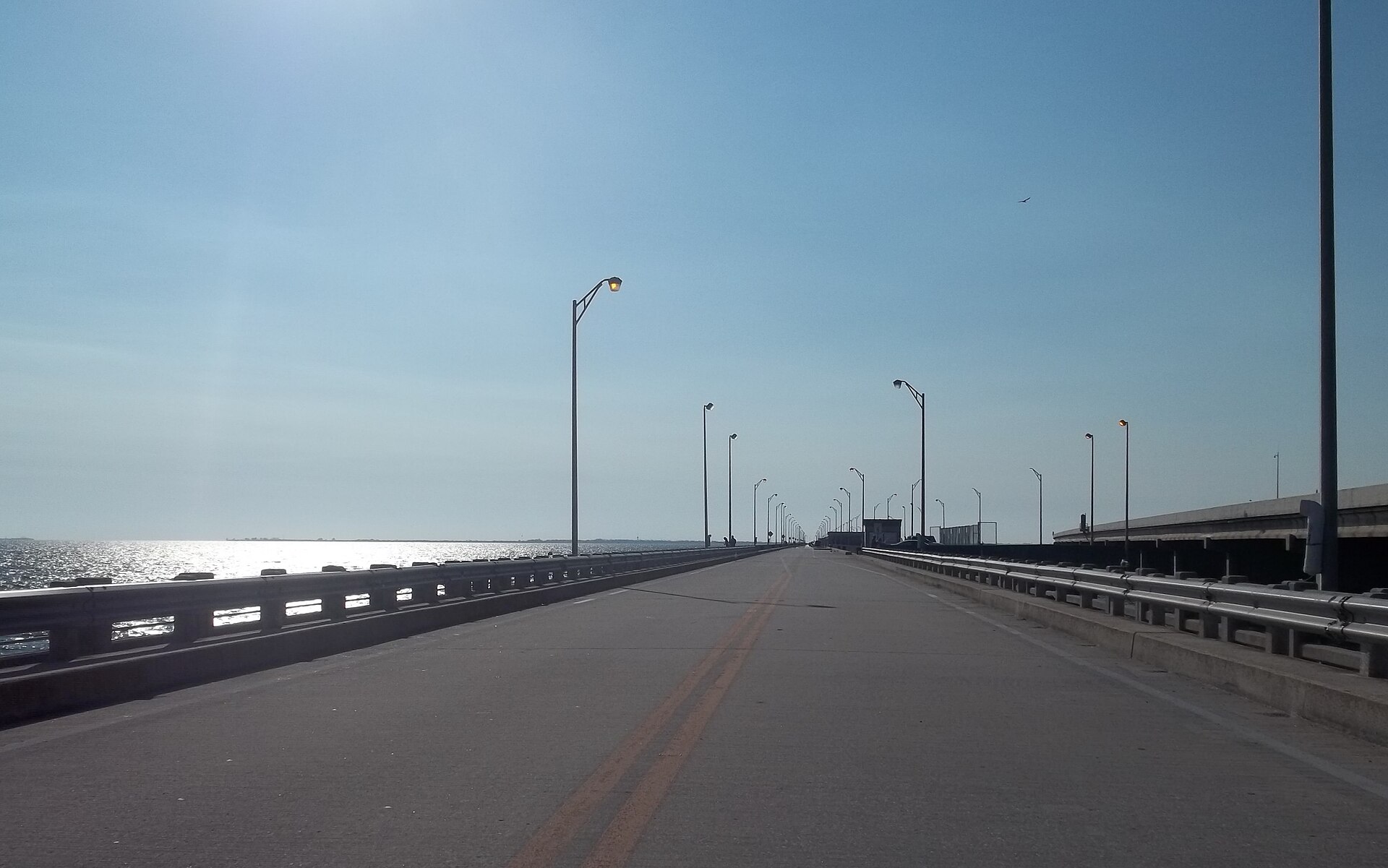
The simplest option for a visitor, because a pier holding a valid saltwater pier licence covers everyone fishing from it. Tampa Bay’s most remarkable example is the Skyway Fishing Pier State Park — the approaches of the old Sunshine Skyway bridge, left in place when the current span was built and converted into a drive-on fishing pier running out into the mouth of the bay. You park on it. Confirm the pier licence position and current fees at the entrance.
From shore
Legal and productive, and this is where the licence requirement bites. A non-resident needs a paid licence — $17 for three days, $30 for seven, $47 annual. Buy it before you go rather than after a warden asks.
From a charter
The best option if you actually want to catch something, and the paperwork disappears: a for-hire vessel with a valid charter licence covers everyone aboard. What you are buying is local knowledge of where fish are this week, which in a large shallow estuary changes constantly.
Two things to establish before booking any charter: that the vessel holds a current charter licence — which is both your licence exemption and a basic legitimacy check — and what happens if the weather cancels, because between June and September it sometimes will.
Seasons and what is open
Recreational seasons and bag limits in Florida change by species, by region and by year, and getting them wrong carries penalties. We are not going to publish a species table that will be out of date within a season. Check FWC’s current regulations for the specific species, in the specific waters, on the dates you are fishing.
The one date we will give you, because it is stable and it is a food story as much as a fishing one: Florida stone crab season runs 15 October to 1 May — so the 2026–27 season is 15 October 2026 to 1 May 2027. The minimum claw is 2 7/8 inches, and the recreational limit is one gallon of claws per person or two per vessel, whichever is less. Claws are harvested and the crab returned alive, which is why supply and price swing so hard within a single season.
Boating and rentals
If you are chartering with a captain, the licensing, the safety card and the local knowledge are all theirs. If you are renting a boat to drive yourself, you are taking on all three.
What makes Tampa Bay harder than it looks:
- It is shallow and the shallows are not obvious. A large estuary with extensive flats means running aground is a routine occurrence, not an exotic one.
- Manatee zones are enforced. Speed limits on the water are real limits.
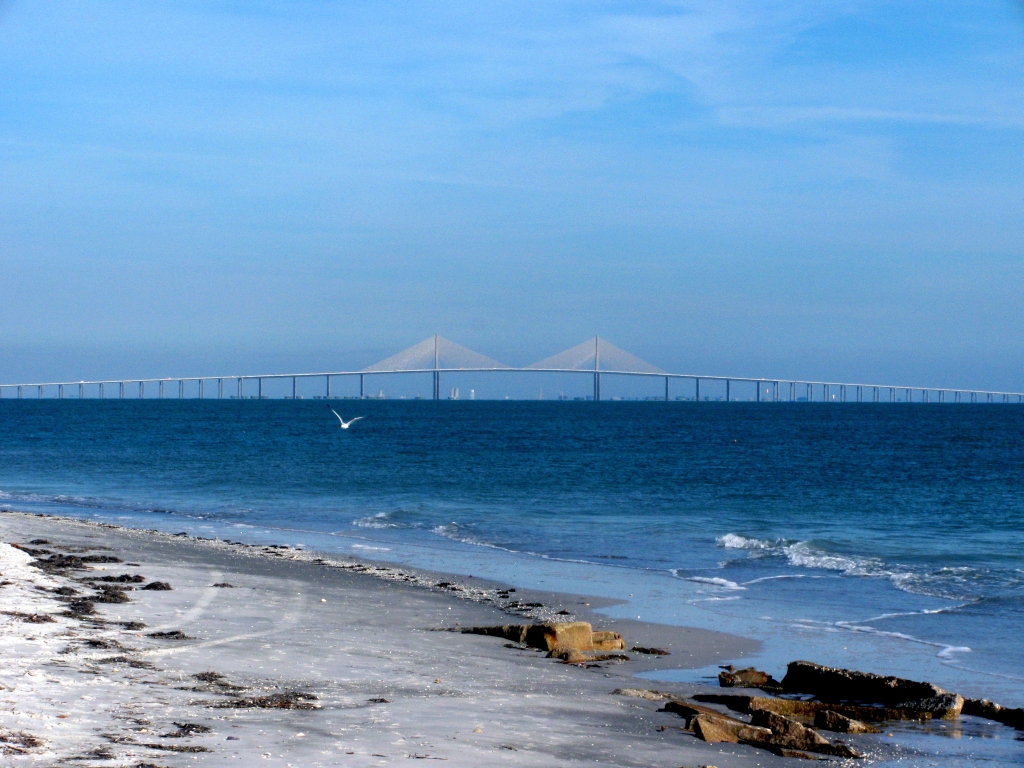
- Commercial and cruise traffic uses the shipping channel. Every cruise ship leaving Port Tampa Bay passes down it and under the Skyway, whose working air-draft limit of around 180 feet is the reason Tampa is a midsize-ship port. Large vessels in a channel cannot manoeuvre around you.
- Afternoon storms build fast in summer and open water is the worst place to be when one does.
Our honest recommendation for a visitor: unless you boat regularly at home, take a captained charter rather than a bareboat rental. You will see more, you will not run aground, and the licence question resolves itself.
On the water without getting wet
Not every water activity involves skill or paperwork.
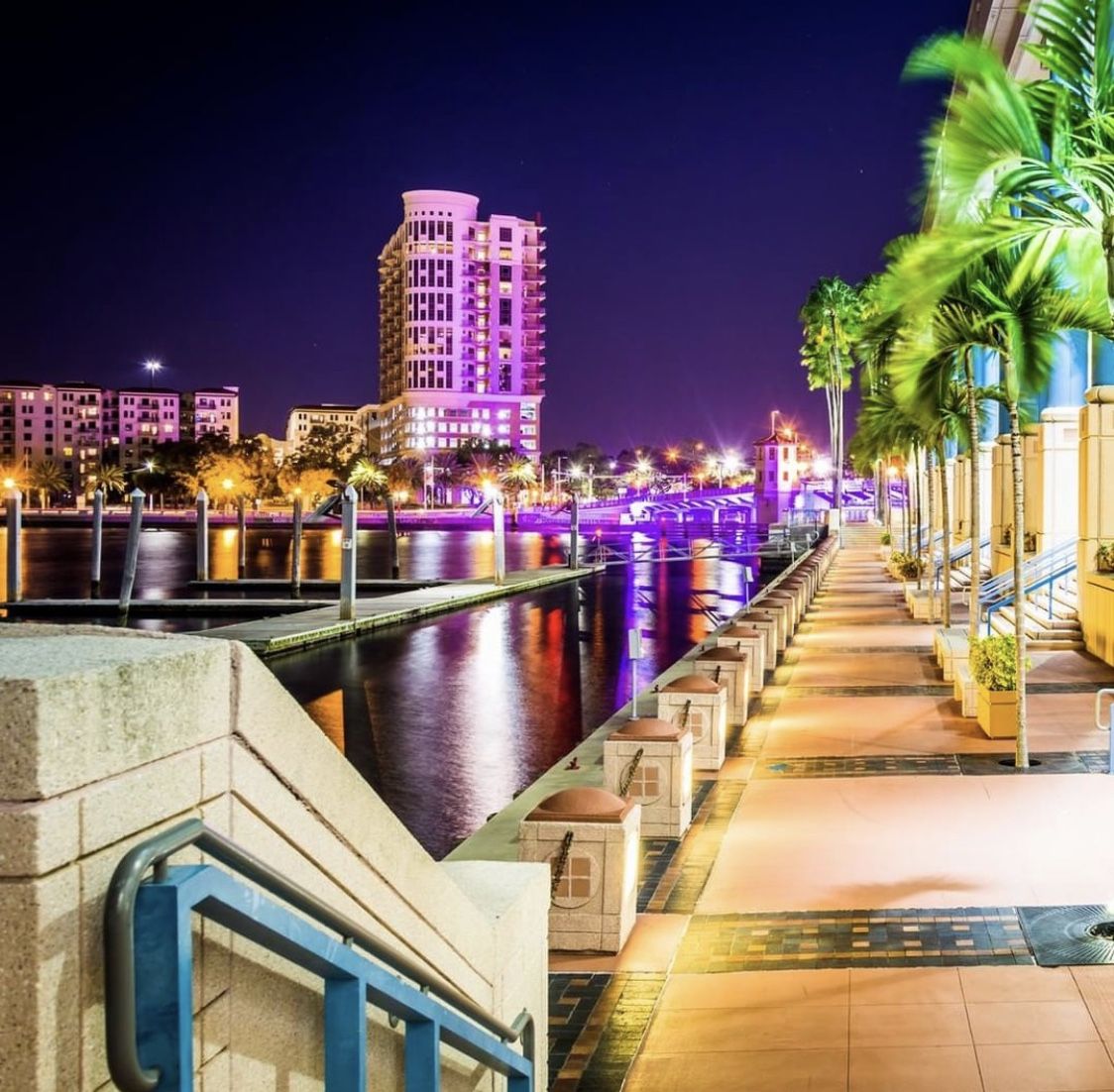
The Pirate Water Taxi runs an all-day hop-on hop-off service across 10 stops along the Riverwalk, the Channel District, downtown and Davis Islands, with its home dock at Stop 7 by the convention center. $34 adult, $24 for ages 2 to 12, running 11:30am to 6:30pm Monday to Thursday and to 9:30pm Friday to Sunday, with a rain day guarantee. Our Riverwalk guide covers how it fits the downtown stops.
Dolphin and eco tours operate widely in Tampa Bay and the Gulf. Bottlenose dolphins are resident and genuinely common. Two things to ask any operator: whether they follow responsible wildlife-viewing distances, and what their weather policy is. An operator who promises you will definitely see dolphins is telling you something about the operator.
And the cheapest boat trip in the region is the one you take by accident: a cruise from Port Tampa Bay passes under the Skyway on its way out, which is a better view of that bridge than any road crossing gives you. Our cruise guide has the rest.
Swimming: water temperature, honestly
Gulf and Tampa Bay water temperatures, from sea-temperature aggregators using buoy and satellite data. These are approximate and are not official National Weather Service normals, so treat them as a guide rather than a forecast:
| Season | Approximate water temperature | Swimmable? |
|---|---|---|
| Winter | ~65.8°F (coldest, January ~63.9°F) | Bracing. Locals mostly do not. |
| Spring | ~74.8°F | Comfortable from around April |
| Summer | ~85.8°F (warmest, August ~86.7°F) | Bath-warm — genuinely not cooling |
| Autumn | ~79°F | The best of the year |
The counterintuitive point: August water in the Gulf is around 86°F, which does not cool you down. On a 91°F day with high humidity, a swim is a pleasant thing to do but it is not relief. October and November water, at close to 80°F with the air temperature dropped, is a far better swim.
Which beach to swim at is a separate question, and one that depends on conditions including red tide — our beaches guide handles beach selection and current water conditions properly.
One water-safety notice specific to this region: Honeymoon Island State Park has warned since 9 April 2024 that erosion has separated the northernmost mile of its sandspit from the main island, creating a cut with deep water, rapidly changing depths, unseen hazards and strong currents. The park’s instruction is not to venture into or through the water there. Take it literally.
Three kinds of water, and why the difference matters
Visitors tend to treat “water” as one thing here. It is three, and they behave completely differently.
The Gulf
Open, salt, surf-capable, and the warmest of the three in summer at around 86°F in August. This is the beach water — Clearwater Beach, St. Pete Beach, Fort De Soto’s Gulf side. It has the sand people come for and it has the least shelter.
Tampa Bay itself
A large, shallow, protected estuary. Calmer than the Gulf in most conditions, but shallow water on a flat bottom builds a nasty short chop in wind, and the extensive flats that make it wonderful for wading birds make it treacherous for a boat propeller. This is where most of the fishing and most of the mangrove paddling happens.
The springs, which are the region’s best-kept summer secret
Florida’s artesian springs run at close to 72°F year-round — the temperature barely moves between January and August, because the water is coming out of the aquifer rather than sitting in the sun. The consequence is the single most useful thing in this section:
In August, when the Gulf is 86°F and the air is 91°F, a Florida spring is 72°F. That is the difference between a swim that is pleasant and a swim that is actually cooling. The nearest are north of Tampa, and they are covered in our day trips guide — with the important caveat that the spring parks are small, fill to capacity in summer and close their gates for the rest of the day when they do. Arrive at opening.
A month-by-month water calendar
| Months | On the water | Wildlife | Watch for |
|---|---|---|---|
| Nov–Dec | The best of the year. Driest month is November at 1.40 in. | Manatee season opens 1 Nov. Stone crab season running. | Water cooling toward the mid-60s |
| Jan–Feb | Excellent for paddling and fishing; cold for swimming | Peak manatee viewing. Coldest water pushes them into the warm outflow. | Water around 64°F. Wetsuit weather, not swimsuit weather. |
| Mar–Apr | Warming, still dry, still calm | Manatee season ends 15 Apr. Turtle nesting begins in April. | Spring break crowds at the launches |
| May | Good. The last dry month. Stone crab season closes 1 May. | Turtles nesting | Heat building |
| Jun–Sep | Mornings only. 61% of the year’s rain falls in these four months. | Turtle nesting through September | Afternoon lightning. Hurricane season. Spring parks filling to capacity. |
| Oct | Transition, and increasingly good. Stone crab opens 15 Oct. | Turtle season ending | Late-season storms |
What to take, and what people forget
Florida sun on open water is a different proposition from sun on land, because you take it twice — once from above and once reflected off the surface. The list below is not generic packing advice; every item on it addresses something specific about this environment.
- Polarized sunglasses. Not a style choice. They cut surface glare, which is both a comfort and a safety matter, and they let you actually see into the water — which on a shallow flat is how you avoid running aground and how you spot fish.
- A long-sleeved sun shirt. Every serious angler and guide in Florida wears one. It is cooler than sunscreen-and-skin, it does not wash off, and it does not need reapplying at hour three.
- Reef-safe sunscreen, applied before you launch. You will not reapply thoroughly on a kayak.
- More water than you think. There is nowhere to buy any, and heat plus sun plus salt dehydrates faster than the same air temperature on land.
- A dry bag and a waterproof phone case. Your phone is your weather radar, your camera and your way of calling for help. Assume everything on a small boat gets wet.
- A hat with a brim, and a retention cord. Hats blow off. They always blow off.
- Closed-toe water shoes if you are wading. Oyster bars are sharp and they are everywhere in this estuary.
And the thing most people forget: check the forecast on the morning, not the evening before. Summer convection here builds on the day, and a clear forecast at 9pm means very little about a 2pm thunderstorm.
Weather: the thing that decides whether you go
This is the section most water-activity pages skip and it matters more here than the activity choice does.
- June to September delivers 30.24 inches of rain — 61% of the annual 49.48 inches — in four months. August alone averages 9.03 inches with a normal high of 91.2°F.
- Afternoon thunderstorms in summer are routine, not exceptional. They build quickly and they bring lightning. Open water and lightning is the single most dangerous combination in this guide.
- The morning window is the whole strategy. Out early, off the water by early afternoon. Every experienced local operator here works this way and it is not caution, it is the correct plan.
- November is the driest month at 1.40 inches and, with autumn water still near 79°F, is arguably the best month of the year to be on the water in Tampa Bay.
- Hurricane season runs through late summer and fall, and its effects persist long after a storm: Caladesi Island only reopened for day use in June 2026 after Helene. Check the specific launch or park on the day.
Accessibility on the water
- The TECO Manatee Viewing Center’s 900-foot boardwalk is the most accessible wildlife experience in the region and it is free.
- The Pirate Water Taxi and licensed pier fishing are the two paid options least dependent on mobility — contact the operator about boarding arrangements in advance.
- Beach wheelchairs are available at some Florida parks. Availability is per-park and usually requires advance arrangement, so contact the specific park rather than assuming.
- Adaptive paddling exists but is specialist. Ask outfitters directly about transfer assistance and stable craft rather than turning up.
- Heat is an accessibility factor. There is no shade on open water and reflected glare increases the load considerably. The morning rule applies doubly.
What it costs
| Item | Cost | Note |
|---|---|---|
| TECO Manatee Viewing Center | $0 | Parking free too. 1 Nov – 15 Apr only. |
| Non-resident 3-day fishing licence | $17.00 | 7-day $30.00, annual $47.00 |
| Under-16s fishing | $0 | Exempt |
| Pirate Water Taxi all-day pass | $34 adult / $24 child 2–12 | 10 stops, rain day guarantee |
| Fort De Soto, Sand Key, Fred Howard parking | $6 per day | Pinellas County regional beach parks |
| Honeymoon Island State Park | $8 per vehicle | 8am–sunset, 365 days |
| Caladesi Island by private boat | $6 per boat | No power or water on the dock |
| Kayak or paddleboard rental | Operator rates | No licence required |
| Captained fishing charter | Operator rates | Licence exemption included |
Frequently asked questions
Do I need a fishing licence in Tampa?
If you are not a Florida resident, yes — a non-resident saltwater licence at $17 for three days, $30 for seven or $47 annually. FWC requires a licence to land saltwater species regardless of where they are caught. You are exempt if you are under 16, if you fish from a pier holding a valid saltwater pier licence, or if you fish from a for-hire vessel with a valid charter licence. The free Shoreline-Only licence is a resident licence and does not apply to visitors.
Can I rent a boat in Tampa without a boating licence?
Florida does not issue a boating licence as such, but FWC requires that “anyone born on or after Jan. 1, 1988, must have a Boating Safety Education Identification Card to legally operate a boat in Florida,” with a course completion certificate serving as a temporary means of complying. The page we checked did not state how renters or out-of-state visitors are handled or whether a horsepower threshold applies, so call the rental livery and confirm exactly what they require from the person driving before you book.
Where can I see manatees near Tampa for free?
The TECO Manatee Viewing Center at 6990 Dickman Road, Apollo Beach — free including parking, open daily from 1 November to 15 April, 10am to 5pm with the trails closing at 4pm. It has a 900-foot boardwalk, a ray touch tank and a 50-foot observation tower. Manatees gather there in winter because of the power station’s warm-water outflow. Outside that window it is closed and the animals are elsewhere.
Is it legal to swim with manatees in Tampa Bay?
Manatees are protected under state and federal law, and touching, feeding, chasing, cornering or separating a mother from her calf are offenses rather than matters of etiquette. Supervised in-water encounters are permitted in specific places under specific conditions — Crystal River, roughly two hours north, being the well-known one — on booked tours with operators who work to the rules. Do not improvise it from a kayak in Tampa Bay.
When is the best time of year for water activities in Tampa?
October to April for almost everything. November is the driest month at 1.40 inches of rain, autumn water is around 79°F, and the manatee season opens on 1 November. Summer brings 61% of the year’s rainfall in four months, afternoon lightning, and Gulf water near 86°F that does not cool you down. If you are here in summer, be on the water at dawn and off it by early afternoon.
Is Tampa Bay safe for beginner kayakers?
The sheltered Hillsborough River and the mangrove shorelines are genuinely beginner-friendly. Open-bay paddling is not, and the difference is not visible from the launch point, because the water looks equally calm. Wind turns a flat, shallow bay into hard work very fast. If you have not paddled before, book a guided trip, stay on the river, and take the outfitter’s read on conditions over your own.
When is stone crab season in Florida?
15 October to 1 May, so the 2026–27 season runs 15 October 2026 to 1 May 2027. The minimum claw is 2 7/8 inches and the recreational limit is one gallon of claws per person or two per vessel, whichever is less. Claws are harvested and the crab returned alive, which is why supply and price move so much within a season.
What do I need to know about sea turtles?
Loggerheads nest at Fort De Soto from April through September. During those months, stay clear of marked nests, avoid white light on the beach at night, and fill in any holes you dig — hatchlings fall into them and cannot climb out. Sea turtles are federally protected.
Related Tampa Guides
- Best Beaches Near Tampa — beach selection and current water conditions, including red tide.
- Tampa Riverwalk and Downtown Visitor Guide — the water taxi stops and the river through downtown.
- Cruises from Tampa and Port Tampa Bay Guide — the shipping channel, and the Skyway air-draft limit.
- Best Day Trips from Tampa — Crystal River manatee tours and the springs to the north.
- Tampa Bay Itineraries for Every Trip — where a morning on the water fits in a day.
- Tampa with Kids Family Vacation Guide — under-16s fish free, and the manatee boardwalk is the best free family hour here.
- Best Time to Visit Tampa — the rainfall and heat figures behind every seasonal warning above.
- Getting Around Tampa Bay — reaching the launch points, and which bridge goes where.
- Best Things to Do in St. Petersburg Florida — the Pier, and the water on that side.
- Best Things to Do in Clearwater Florida — including the marine aquarium’s rescue work.
- Best Restaurants and Food in Tampa Bay — where the stone crab ends up.
- Best Things to Do in Tampa — for the days the weather keeps you off the water.
- Tampa Travel Guide — beach warning flags, red tide checks and the trip costs behind a day on the water.
- Outdoor Activities in Tampa — the land half: trails, parks, boardwalks and wildlife viewing.
Sources and verification
Licensing, seasons and wildlife rules are legal requirements rather than travel advice, and they change. Everything below was checked in September 2026 against the issuing agency’s own published information; confirm current rules with FWC before you fish or boat.
- Florida saltwater fishing licence costs — resident annual $17.00, resident Shoreline-Only $0.00, non-resident 3-day $17.00, 7-day $30.00 and annual $47.00, and the statement that a licence is required to land saltwater species regardless of where they are caught, from myfwc.com, checked 19 September 2026.
- Licence exemptions — under-16s, licensed piers, licensed for-hire vessels, the resident assistance-programme shoreline exemption, and the resident home-county no-retrieval-mechanism exemption, plus the absence of permit exemptions for shark and crab-trap registrations, from FWC’s “Do I Need One?” page, checked 19 September 2026. FWC’s free fishing days exist but the specific dates were not published on the page checked and are therefore not given here.
- Boating Safety Education Identification Card — the 1 January 1988 birth-date threshold and the temporary-compliance status of a course completion certificate, from myfwc.com/boating/safety-education, checked 19 September 2026. The page did not state a horsepower threshold, exemptions, renter or visitor treatment, temporary-certificate validity or livery obligations, and we have not asserted any of those.
- Florida stone crab season — the 15 October to 1 May season, the 2 7/8 inch minimum claw and the recreational bag limit, Florida Fish and Wildlife Conservation Commission.
- TECO Manatee Viewing Center — free admission and parking, the 1 November to 15 April season, opening hours, the 900-foot boardwalk, ray touch tank and 50-foot tower, tampaelectric.com, checked 18 September 2026.
- Fort De Soto — the 1,136 acres across five keys, the 328-plus recorded bird species, the April-to-September loggerhead nesting season and the $6 daily county beach parking at Fort De Soto, Sand Key and Fred Howard, pinellas.gov/beaches, checked 19 September 2026.
- Honeymoon Island and Caladesi Island State Parks — vehicle and boat fees, hours, the 9 April 2024 sandspit safety notice and the 29 June 2026 Caladesi day-use reopening with its dock limitations, floridastateparks.org, checked 19 September 2026.
- Pirate Water Taxi — all-day pass rates, the 10 stops, the home dock and the weekly service hours, piratewatertaxi.com, checked 19 September 2026.
- Port Tampa Bay and the Sunshine Skyway — the shipping channel and the approximately 180-foot working air-draft limit, porttb.com, checked 19 September 2026.
- Climate normals — National Weather Service Tampa Bay, 1991–2020 ASOS normals for Tampa International Airport.
- Water temperatures — sea-temperature aggregators drawing on NOAA buoy and satellite data. These are approximate and are not official NWS normals, and are presented as such.
A note on method and on two deliberate omissions. This guide is researched and written from agencies’ and operators’ own published information and public records. It is not based on fishing, paddling or boating in Tampa Bay, a visit, an interview, or original photography, and nobody here has tested a launch point or a charter. We have not published a species-by-species table of seasons, sizes and bag limits, because those change by species, water body and year and a stale table is a fine waiting to happen — FWC’s current regulations are the only safe source. We have not named individual charter operators, outfitters or rental companies, because we have not verified their licences and a licence is precisely what determines whether you are covered on their boat; verify it yourself with the operator. Where FWC’s own pages did not answer a question, as with the boating card’s treatment of visiting renters, we have said so and told you to call rather than filling the gap with a plausible guess.
Photo credits
The Skyway Fishing Pier State Park south pier, Terra Ceia, Florida: photo by Ebyabe, CC BY-SA 3.0, via Wikimedia Commons.
A West Indian manatee: photo from the Manatee photo file, public domain, via Wikimedia Commons.