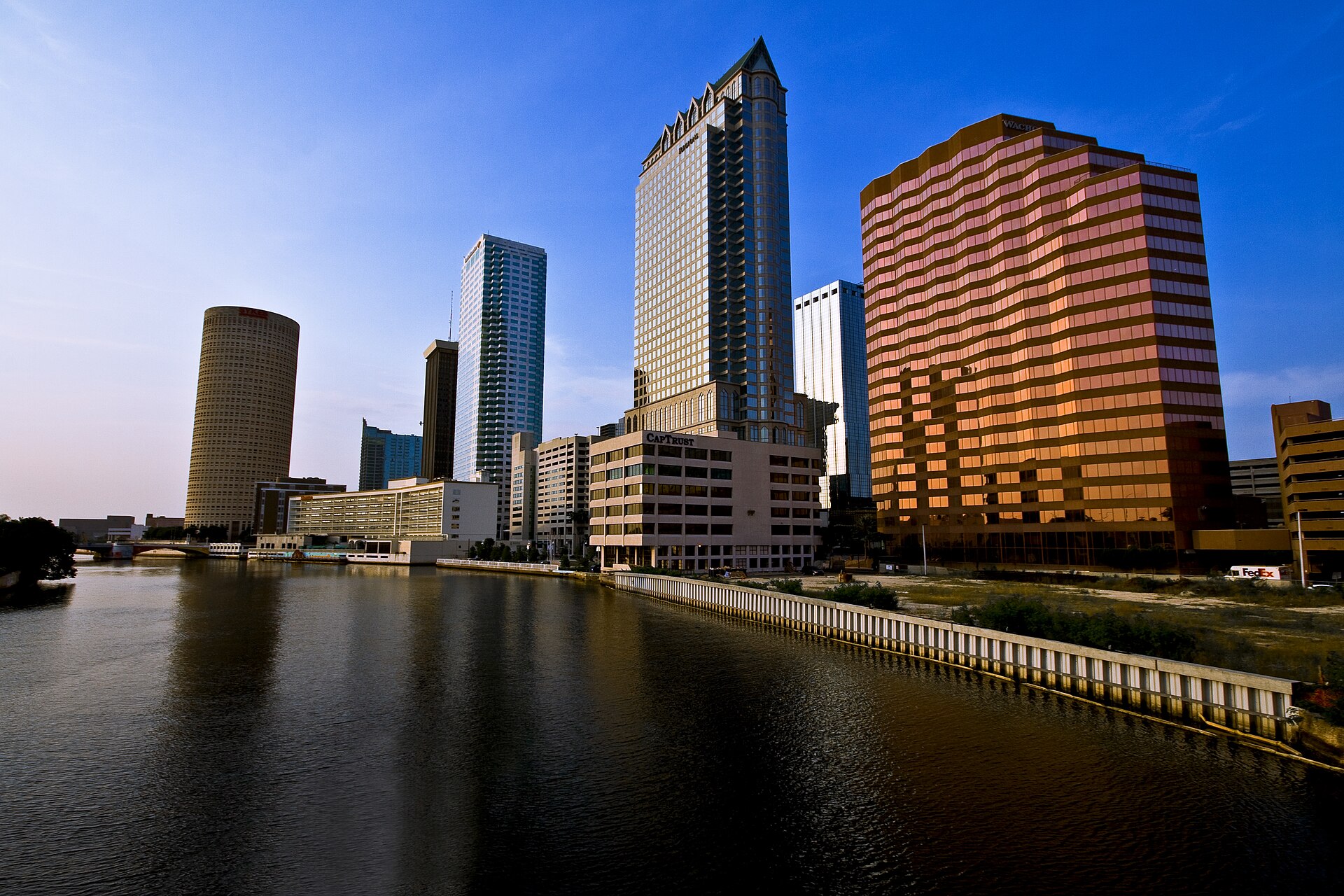
The single most expensive mistake a visitor makes in Tampa is assuming the city has a beach. It does not. Tampa sits on a working bay, an hour of driving and one long causeway away from the white sand everyone came to Florida for, and a good share of the disappointment in this region traces back to that one geographical misunderstanding. A useful Tampa travel guide has to start there, because almost every other planning decision — where you sleep, whether you rent a car, how you budget the week — follows from whether you understood what Tampa actually is before you booked.
The short answer
Tampa is a compact, genuinely interesting mid-size American city with one world-class theme park, a National Historic Landmark district, an unusually good free tier, and no Gulf beach of its own. The beaches are in Pinellas County, 20 to 30 miles west across the bay. Plan on a car unless your whole trip lives downtown. Budget roughly 13.5% on top of any hotel rate for tax, 7.5% on anything you buy, and expect attraction pricing to move by the date rather than sit still. Come between October and April if you have the choice; June through September is hot, wet and inside hurricane season.
The rest of this page is the arithmetic and the small print behind those sentences, checked against the operators’ and agencies’ own published figures in September 2026.
Tampa, Tampa Bay, St. Petersburg and Clearwater are four different things
Get this straight and everything else gets easier. Travel writing uses these names as though they were interchangeable. They are not, and the confusion costs real driving time.
Tampa is the city on the east side of the bay, in Hillsborough County. Downtown, Ybor City, Hyde Park, the Channel District, Busch Gardens, the airport and the cruise port are all here. Tampa Bay is the body of water and, loosely, the whole metro area around it — a sports-franchise name and a regional label, not a place you can stand in. St. Petersburg is the separate city on the western shore in Pinellas County, about 20 miles from the airport, with its own downtown, its own museums and its own character. Clearwater is further north again on the Pinellas side, and Clearwater Beach is a further drive beyond Clearwater proper.
Crossing between them means a bridge. The Gandy, the Howard Frankland and the Courtney Campbell causeways carry the Tampa–Pinellas traffic, and all three back up at rush hour. Tampa International Airport publishes 20 miles to St. Petersburg and 20 to Clearwater, with Clearwater Beach at 20 to 25 and St. Pete Beach at 27. Those are distances in good conditions. A Friday afternoon crossing can take twice as long as the map suggests.
Practically: if your trip is mostly beach, sleep in Pinellas and visit Tampa. If your trip is mostly city, sleep in Tampa and take a beach day. Trying to split the difference by staying halfway usually buys you two mediocre commutes instead of one good base. Our guides to the best beaches near Tampa and where to stay in Tampa work through the choice properly.
What a Tampa trip actually costs
Here is the part most guides skip. The prices below are the operators’ own published figures, checked in September 2026. Where an attraction uses date-based dynamic pricing — and the big ones do — we give the range rather than a single number, because a single number would be wrong on most days of the year.
| Item | Published price (checked September 2026) | What to know |
|---|---|---|
| Busch Gardens Tampa Bay, one day | From $61.99 online; $147.99 list; $154.79 at the gate | Date-based pricing. Never buy at the gate. |
| Busch Gardens Fun Card | $129.99 | Unlimited visits, plus Adventure Island. Pays for itself on the second visit. |
| The Florida Aquarium | $45.95–$47.95 adult, $39.20–$40.95 child | “Plan-Ahead Pricing” varies by date; the box office is higher. |
| ZooTampa at Lowry Park | $51.95 adult / $41.95 child at the box office | 1101 W Sligh Ave, opens 9:30am. |
| Tampa Museum of Art | $25 adult | Pay-what-you-will Thursdays, 4–8pm. |
| Tampa Bay History Center | $18.95 adult | Under-6s free. Daily 10am–5pm. |
| Ybor City Museum State Park | $4 per person | Wednesday to Sunday, 9am–4pm. |
| Tampa Bay CityPASS | $149.95 adult / $139.95 child | Pick 5 of 7 attractions, valid 9 days. Do the math first — see below. |
| TECO Line Streetcar | Free | Fare-free since 2018. |
| Tampa Riverwalk | Free, open 24 hours | 2.6 miles along the Hillsborough River. |
| TECO Manatee Viewing Center | Free, parking included | Seasonal: 1 November to 15 April only. |
| HART bus | $2.00 a trip, capped at $4.00 a day | Two rides and the rest of the day is free. |
| Downtown on-street parking | $4 first hour, $3 each additional | Enforced 8am–midnight, seven days. |
| City garage, downtown | $14–$18 daily maximum | Beats the meter after four or five hours. |
| Pinellas County beach parking | $6 per day | Fort De Soto, Sand Key, Fred Howard. |
| Honeymoon Island State Park | $8 per vehicle | 8am–sunset, 365 days. |
Two costs are deliberately missing from that table: food and accommodation. We are not going to invent restaurant averages or quote a nightly rate that will be stale within a fortnight — both move far too much by season, neighborhood and night of the week to state as a verified figure. Price your own dates and add the tax percentages below.
The CityPASS question
Tampa Bay CityPASS costs $149.95 for an adult and lets you pick five of seven attractions — Busch Gardens, The Florida Aquarium, ZooTampa, The Tropics Boat Tours, Clearwater Marine Aquarium, MOSI and the Glazer Children’s Museum — within a nine-day window. CityPASS advertises savings of “up to 55%” against a regular price of $332.92.
That regular price is built from the highest published box-office rate for each attraction. Almost nobody pays those rates. If you would have booked Busch Gardens online at $61.99 rather than $154.79 at the gate, most of the headline saving evaporates before you start. CityPASS is still decent value for a family that genuinely wants four or five of those seven and will move fast, and poor value for anyone who was only ever going to do two.
Two further wrinkles. Clearwater Marine Aquarium is about 25 miles away in Clearwater, so one of your five slots carries an hour of driving with it. And MOSI closed roughly 85% of its building and its IMAX theater back in 2017; a planned downtown relocation was scrapped in 2022. It is still open daily and still fine for younger children, but it is a much smaller museum than its reputation suggests, and spending a CityPASS slot on it on the strength of old reviews is a common and avoidable disappointment.
The taxes and fees nobody quotes you
Sales tax is 7.5%, with a cap almost nobody mentions
Tampa retail sales tax is 7.5% — Florida’s 6% state rate plus Hillsborough County’s 1.5% discretionary surtax. Prices on shelves and menus are quoted before tax, which reliably catches out visitors from countries where the displayed price is the price you pay.
The wrinkle worth knowing: the county’s 1.5% surtax applies only to the first $5,000 of any single item of tangible personal property. Buy a $9,000 item and you pay 6% state tax on the whole amount but the surtax on only the first $5,000 — a saving of $60 against a naive 7.5% calculation. It is real, it is in Florida’s own rules, and it is almost never mentioned at the till. The cap does not apply to admissions, hotel rooms or services, so it will not help with your theme park ticket.
Florida also runs a back-to-school sales tax holiday — 20 July to 20 August in 2026, and now on a more permanent legislative footing, so confirm the current year’s dates. It specifically excludes sales made inside a theme park, an entertainment complex, a hotel or an airport. No tax break at Busch Gardens or at Tampa International, in other words, which is exactly where a visitor would try to use it.
A hotel room carries about 13.5% all in
Hillsborough County’s tourist development tax is 6%, and it sits on top of Tampa’s 7.5% sales tax, so budget roughly 13.5% on any advertised room rate. Pinellas County — St. Petersburg and Clearwater — also charges 6%, so the bed tax is identical on both sides of the bay and is not a reason to pick one side over the other. The all-in total lands within about half a percentage point either way.
Hillsborough’s rate changed in a recent 1 August adjustment, so confirm the current figure at booking rather than assuming this one holds forever.
Resort fees are now a legal problem, not just an annoyance
This one is genuinely new and worth knowing about. The Federal Trade Commission’s Rule on Unfair or Deceptive Fees, 16 C.F.R. Part 464, took effect on 12 May 2025. It covers short-term lodging and live-event ticketing — hotels, third-party booking platforms, resellers and travel agents — and it requires the total price including all mandatory fees to be disclosed up front, with the final payment amount displayed at least as prominently as the total.
The practical effect for a traveler: a resort fee that only materializes at checkout is now a violation rather than an irritation, and the rate you were shown should already contain it. Taxes may still be listed separately. If a Tampa-area property adds a mandatory fee you were never shown, you are not being unreasonable in pushing back on it.
Tampa’s free tier is unusually strong
This is the part we would lead with if we were selling the city. Tampa’s free and near-free offering is better than most American cities its size, and a visitor who leans on it can have a genuinely good three days for very little.
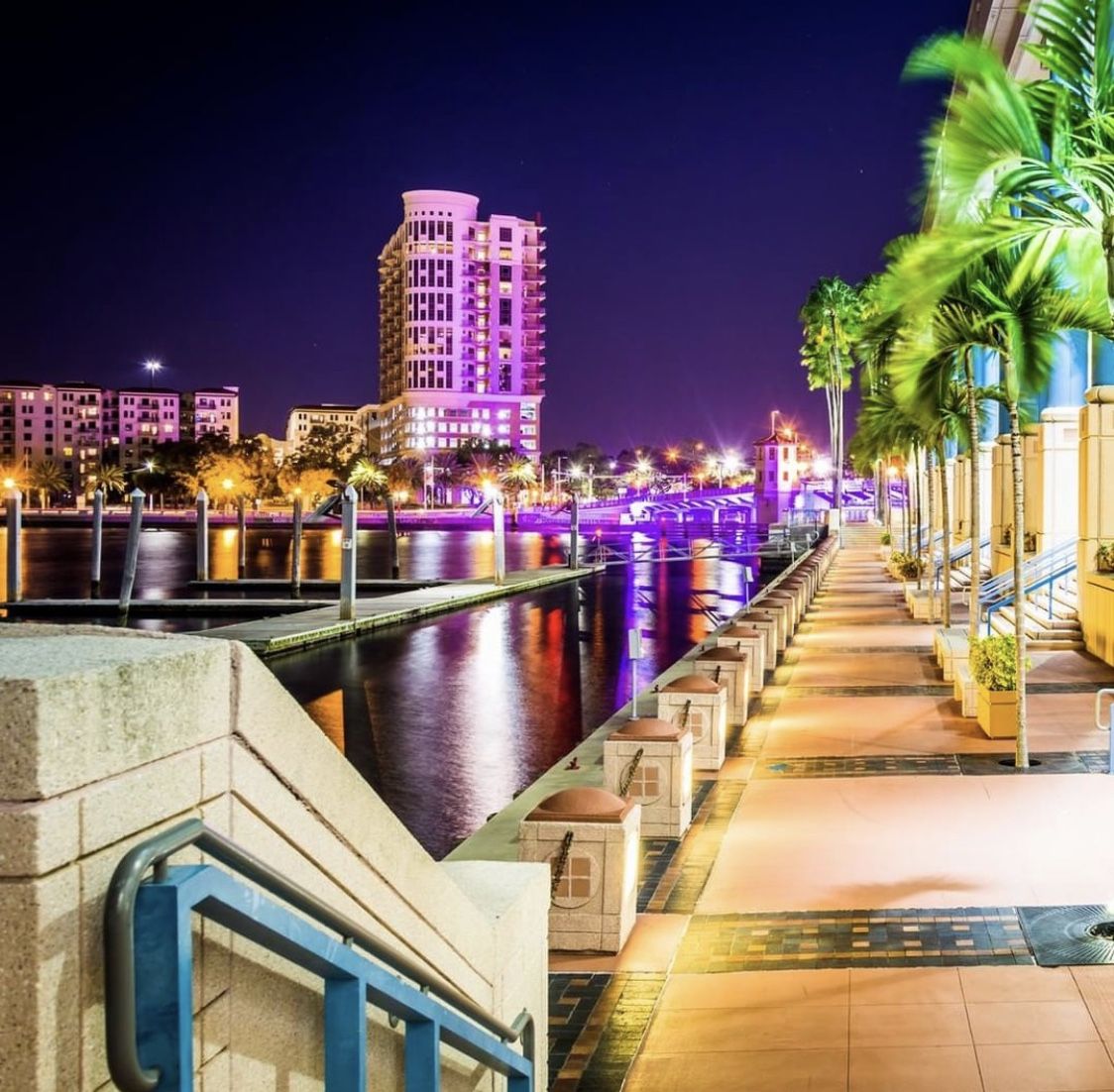
- The Tampa Riverwalk — 2.6 miles along the Hillsborough River from Armature Works in Tampa Heights to Sparkman Wharf in the Channel District, free and open 24 hours, stitching together Cotanchobee, Curtis Hixon Waterfront, Julian B. Lane and Water Works parks.
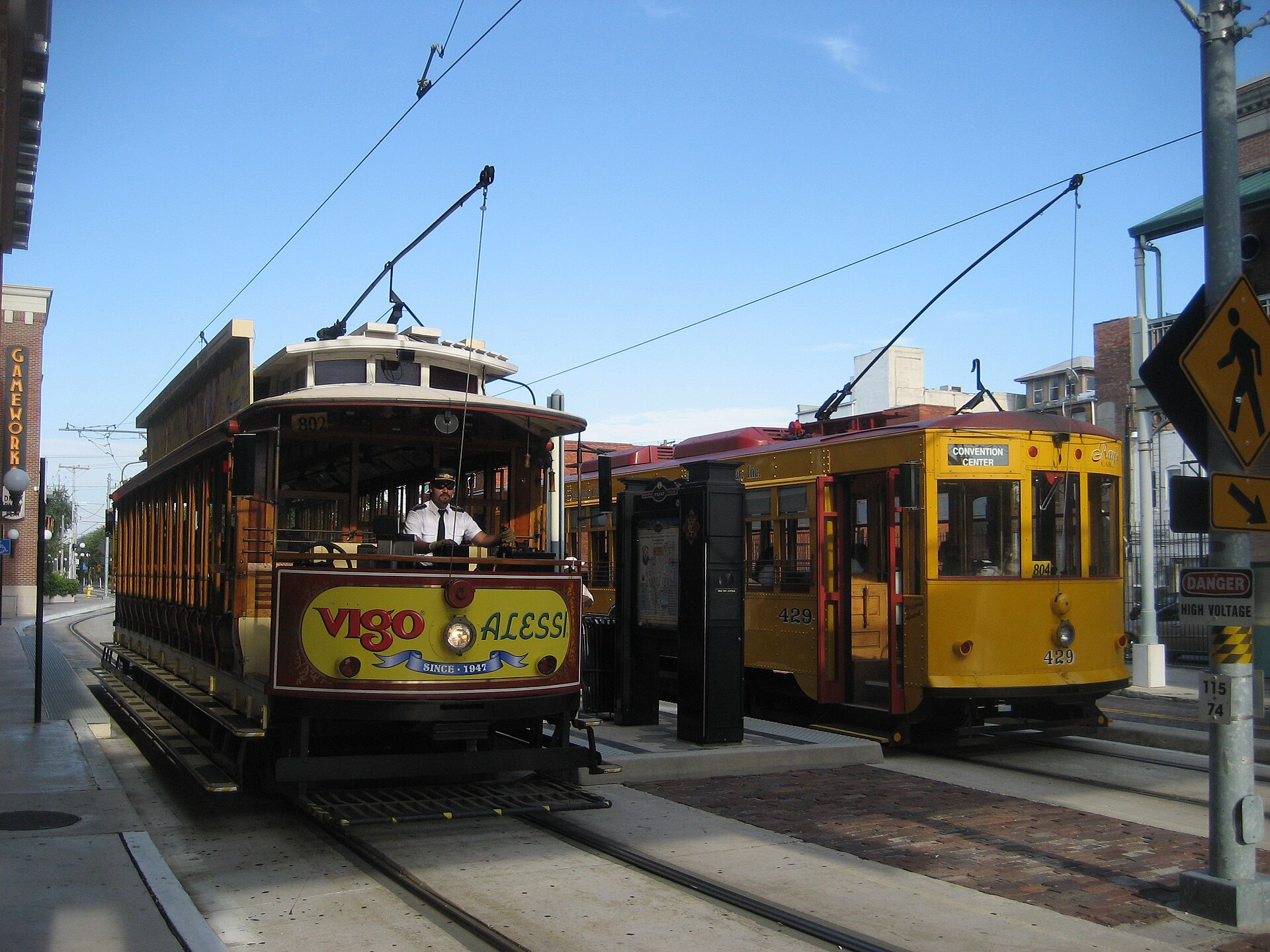
- The TECO Line Streetcar — free since 2018, running every 15 minutes across 11 stations between Ybor City and downtown, about 25 minutes end to end. It is a functioning transit line rather than a tourist novelty, and it connects two of the three areas you actually want to be in.
- The TECO Manatee Viewing Center in Apollo Beach — free, parking included, with a 900-foot boardwalk, a ray touch tank and a 50-foot observation tower. Open daily 1 November to 15 April only, because the manatees gather in the warm-water outflow in cold weather and disperse when the bay warms. In July it is closed and there would be nothing to see anyway.
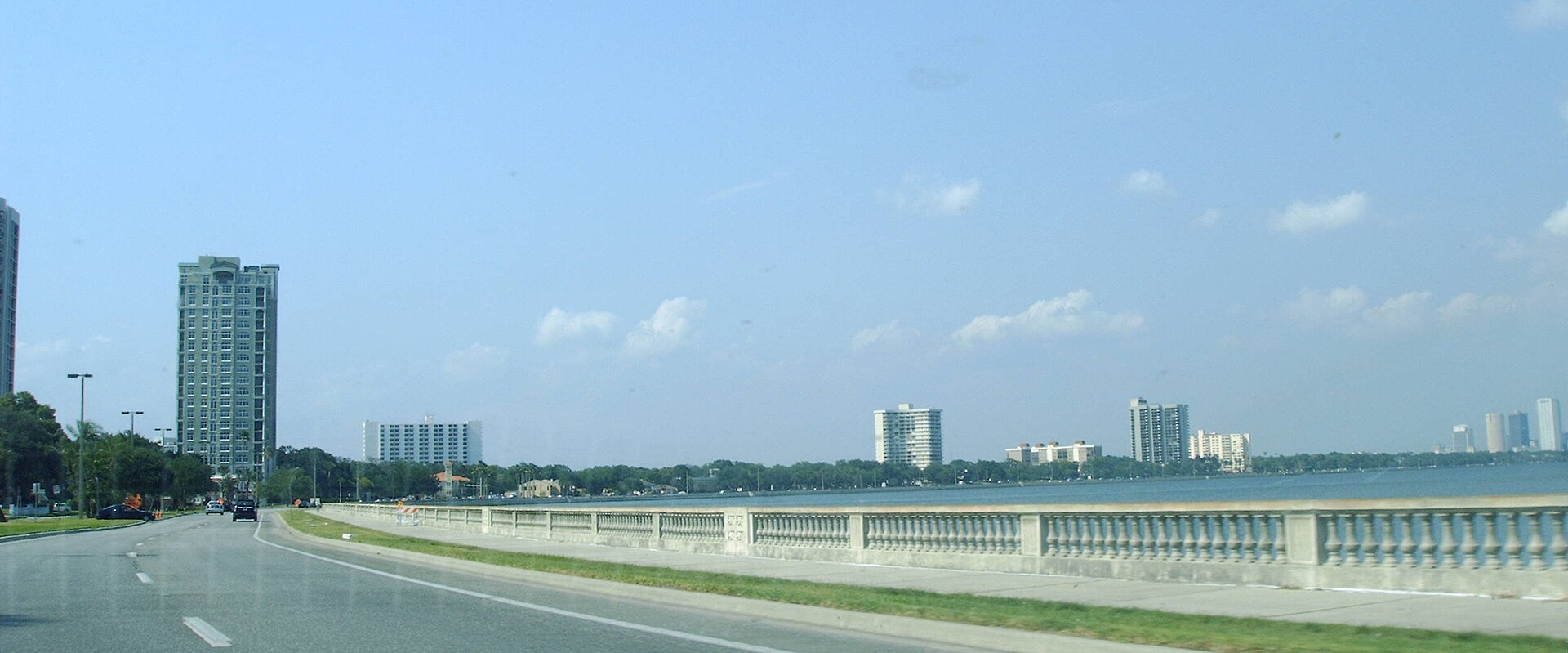
- Bayshore Boulevard — a 4.5-mile balustraded waterfront sidewalk from Platt Street to Gandy Boulevard. Tampa markets it as the world’s longest continuous sidewalk; Galveston’s Seawall Boulevard is longer, and the claim does not really survive scrutiny. It is still a beautiful walk or run at sunrise.
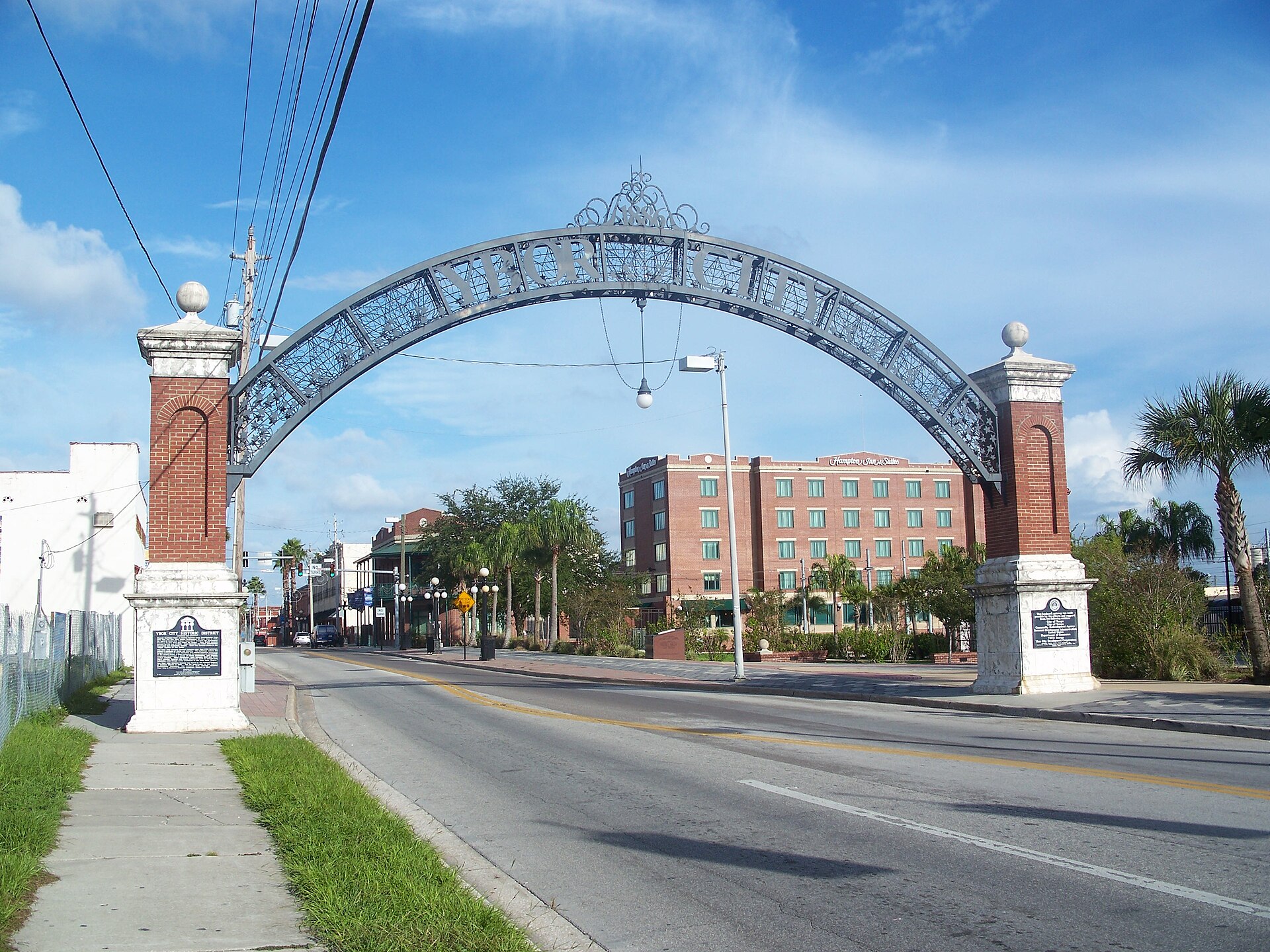
- Ybor City — walking the historic district costs nothing. It is one of only two National Historic Landmark Districts in Florida, with more than 950 historic buildings, and the free-roaming chickens are protected by city ordinance.
Add the $4 Ybor City Museum State Park and a pay-what-you-will Thursday evening at the Tampa Museum of Art and you have most of a long weekend for about the price of parking.
Driving, tolls and the parking arithmetic
You probably need a car, and it will cost more than the daily rate
Tampa is a driving city. Downtown, Ybor and the Channel District work without one thanks to the streetcar, but Busch Gardens is 16 miles from the airport, the beaches are 20 to 30, and the transit connections to both are slow enough that most visitors rent.
The cost that surprises people is tolls. Every Florida toll facility charges two rates: the lower SunPass transponder rate and the higher toll-by-plate rate, with SunPass saving about 25% on average. Most major rental companies bill tolls through license-plate recognition to the card on your rental agreement, usually with a daily convenience fee added — so a rental driver on a toll road pays the toll-by-plate rate plus the rental company’s markup. The Selmon Expressway across town, the Veterans Expressway and Suncoast Parkway heading north, and the Sunshine Skyway heading south are all tolled.
Rates are indexed periodically and are not stable enough to quote usefully here; the Florida Turnpike Enterprise publishes a toll calculator, which is the only figure worth trusting. Ask the rental desk what their per-day toll administration fee is before you sign, because that is the number they are least keen to volunteer.
When the garage beats the meter
City of Tampa on-street meters in the downtown Central Business District run $4 for the first hour and $3 for each additional hour, enforced 8am to midnight, seven days a week. Every other metered zone — Hyde Park, Ybor City, Armature Works, the Channel District, Davis Islands, Grand Central — is $3 then $2.
City-owned garages charge $2–$3 an hour with a daily maximum of $14 to $18. Ft. Brooke, W.F. Poe, Pam Iorio and the Convention Center garage cap at $18; Twiggs, Centro Ybor and Palm Avenue cap at $14. The arithmetic is simple and worth doing before you arrive. A downtown meter costs $13 at four hours and $16 at five, so a $14 garage wins after four hours and an $18 garage after five. If you are parking downtown for a full day, the meter is never the right answer.
Two caveats. Event rates override the standard table entirely and run anywhere from $5 to $50, so a Lightning game or a Gasparilla weekend is a different world. And a garage’s daily maximum resets when you exit, so leaving at lunchtime and coming back starts the clock again.
Doing it without a car
It is possible, with limits. HART buses cost $2.00 a trip with a $4.00 daily cap and a $65.00 monthly cap — the daily cap is the headline, because two rides and the rest of the day is free. Flamingo Fares is the regional payment system and works across HART and PSTA on the Pinellas side, accepting a reloadable smartcard, the app, contactless bank cards, Apple Pay, Google Pay and Samsung Pay. The 31-day unlimited pass covers both agencies’ local and express service.
One warning that matters. The seasonal Cross-Bay Ferry between downtown Tampa and downtown St. Petersburg ended service on 30 April 2025. Hubbard’s Ferry has since been selected to operate a replacement — year-round, seven days a week, two refitted vessels, fares expected to start around $10 one way — with launch targeted for the second half of 2026 and contingent on the ships arriving and being refitted. As at September 2026 that is a planned service, not a running one. A great many guides still describe the old ferry as though you could board it tomorrow. Verify before you build a day around it.
When to come, in one section
The National Weather Service’s 1991–2020 normals for Tampa International Airport tell the story in two columns. August is the hottest month, averaging a daily high of 91.2°F and a low of 76.8°F. January is the coolest, at 71.3°F and 52.8°F. Annual rainfall is 49.48 inches — but June through September alone account for 30.24 inches of it, which is 61% of the year’s rain falling in four months. November is the driest month at 1.40 inches.
So the practical window is October to April: warm, dry, and outside the worst of both the heat and the rain. Summer is not unbearable — the rain tends to arrive as an intense afternoon thunderstorm rather than an all-day drizzle, and mornings are usually clear — but you are planning around it rather than ignoring it. Gulf water runs about 86°F in August and about 64°F in January, which is to say swimmable most of the year and genuinely bracing in midwinter.
There is a much fuller treatment in our guide to the best time to visit Tampa, including month-by-month detail and how the shoulder seasons price out.
Hurricane season, honestly
The Atlantic hurricane season runs 1 June to 30 November, with activity concentrated between mid-August and mid-October. Tampa Bay’s long-standing reputation for being somehow protected took a beating in 2024: Hurricane Helene flooded coastal Pinellas in September and closed Caladesi Island State Park to day use until June 2026, and Hurricane Milton destroyed the roof of Tropicana Field the following month. The Rays played elsewhere and returned to the Trop on 6 April 2026.
None of that is a reason to avoid Florida in September. It is a reason to buy travel insurance that actually covers named storms, to book lodging with a flexible cancellation policy in those months, and to understand that the cheapest week of the year is cheap for a reason. Watch the National Hurricane Center rather than social media, and take local evacuation instructions seriously and early — Tampa Bay is shallow, which makes it unusually prone to storm surge.
Staying safe: the risks that are real and the ones that are not
The water
Rip currents are the genuine hazard on Gulf beaches, and they account for far more Florida drownings than sharks and alligators combined. Florida runs a mandatory statewide beach warning flag system — the legislature required it in 2005 — so the colors mean the same thing at every public beach in the state that flies them:
| Flag | Meaning |
|---|---|
| Green | Conditions calm. Ordinary care still applies. |
| Yellow | Some rip-current activity expected. Enter with caution. |
| Red | Dangerous rip-current activity expected. Stay out. |
| Double red | Water closed. Entering can mean arrest or a fine. |
| Purple | Dangerous marine life present — flown alongside a condition flag, not instead of one. |
The important thing nobody tells you: no flag flying does not mean the water is safe. It usually means nobody is on duty. If you are caught in a rip, swim parallel to the shore rather than against the pull, and float rather than fight if you tire.
Red tide is the other water issue. Blooms of Karenia brevis can cause respiratory irritation on shore and kill fish in numbers you will smell before you see. It is unpredictable, patchy, and can affect one beach while the next one up the coast is clear. Florida Fish and Wildlife publishes a current status map; check it the morning of a beach day rather than the week before.
Heat and lightning
From June to September the heat is the thing most likely to ruin a day, and it does it quietly. Visitors from temperate climates consistently underestimate how much water an afternoon at Busch Gardens costs them. Drink more than you think you need, take the middle of the day indoors, and treat 2pm to 4pm as a rest window rather than a touring window.
Central Florida gets more lightning than anywhere else in the United States, and the Tampa Bay area sits squarely in it. Afternoon thunderstorms in summer are near-daily and they build fast. Outdoor attractions and hotel pools close when lightning is detected nearby, which is the correct call even when it is inconvenient. If you can hear thunder you are close enough to be struck, so go inside, and give it half an hour after the last rumble before you come back out.
Wildlife
Alligators live in essentially every fresh water body in Florida, including retention ponds behind hotels and drainage lakes in ordinary suburbs. They are not a reason to be nervous, but they are a reason to follow three rules: do not swim in fresh water at dusk or dawn, do not let a dog swim or drink at a freshwater edge, and never feed one. Feeding alligators is a crime in Florida precisely because it teaches them to associate people with food, which is the mechanism by which a harmless animal becomes a dangerous one.
Sharks are a statistical non-issue and get far more attention than they deserve. Jellyfish and stingrays are much more likely to affect your day — the advice to shuffle your feet in shallow water is real, and it works, because it gives a buried ray warning to move rather than a reason to defend itself.
Crime, in proportion
Tampa is a normal American city and normal urban judgment applies. The areas visitors spend time in — downtown, the Riverwalk, Hyde Park, the Channel District, Ybor by day — are well trafficked and unremarkable. Ybor City late at night is a busy entertainment district with the behavior any busy entertainment district has after 1am, and Tampa’s last call is 3am rather than the state’s usual 2am, so the tail end of the evening runs longer here than in most of Florida.
The single most common thing that actually happens to visitors is a car break-in at a beach or trailhead parking lot. Leave nothing visible, take the bag with you, and most of that risk disappears.
Accessibility across a Tampa trip
Tampa is flat, which helps more than any single accessibility feature. Beyond that the picture is mixed, and worth researching venue by venue rather than assuming.
Some things we can state with confidence. The TECO Line Streetcar is level-boarding and free, which makes it the easiest way to move between Ybor and downtown for anyone with mobility needs. The Riverwalk is a continuous paved path for its full 2.6 miles. At Fort De Soto Park there is a 2,200-foot Barrier-Free Nature Trail, self-guided and built for visitors regardless of physical ability. And — this one is genuinely useful and almost never published — Pinellas County waives its $6 beach parking fee for a vehicle displaying a valid disabled parking permit or tag.
We could not confirm a free beach wheelchair loan program at Fort De Soto from the county’s own pages, so we are not going to claim one exists. If you need one, call the park office on (727) 582-2267 and ask directly rather than relying on a third-party list.
Tampa International Airport is one of the easier large US airports to move through, but note the layout: security is cleared in the Main Terminal at the entrance to each people-mover, not at the gate concourse, so the walk and the queue are front-loaded rather than spread out. Our Tampa International Airport guide covers the terminal structure in detail.
For attraction-specific accessibility, go to the operator. Busch Gardens, for instance, runs a Ride Accessibility Program that matches individual abilities to each ride’s requirements, with enrollment at Guest Relations inside the park — and its staff may steady a guest transferring from a wheelchair but are not permitted to lift, which means every guest must board unaided or with help from their own party. That is exactly the sort of detail only the operator publishes, and exactly the sort that ruins a day when you discover it at the gate. See our Busch Gardens Tampa Bay guide for the rest.
Bringing a dog
Florida is dog-friendly in the abstract and quite restrictive in the specifics, and beaches are where that bites. Most Pinellas County beach parks restrict or prohibit dogs entirely.
The exception is Fort De Soto Park’s Paw Playground, the only Pinellas County park where dogs may go on the beach. It has two fenced off-leash runs — separate areas for large and small dogs — with water stations, next to a designated dog beach where dogs can swim off leash. Do not generalize from it. The rules at the next beach up the coast will be different, and enforcement is real.
Elsewhere, the usual Florida cautions apply with more force than most owners expect. Hot sand and hot asphalt will burn paws in summer: if you cannot hold the back of your hand on the surface for seven seconds, neither can your dog. Never let a dog swim or drink at a freshwater edge, for the alligator reason above. And restaurant patios are widely dog-friendly across Tampa but individually so — call ahead rather than arriving hopeful.
What to pack, and what to leave
The packing list for Tampa is shorter than for most destinations because the weather is so consistent, but a handful of items make a real difference.
- Reef-safe sunscreen, more than you think. The UV index here is high year-round, including in January, and summer cloud cover does not protect you.
- A genuine rain layer for June to September, not an umbrella. Afternoon storms arrive with wind and the umbrella will not survive them.
- A light long-sleeve layer for indoors. Florida air conditioning is set aggressively, and the temperature differential between a Tampa street in August and a Tampa restaurant is startling.
- Water shoes if you are going in the Gulf — for the stingray shuffle, and for the shell beds at Honeymoon Island and Caladesi.
- Insect repellent, particularly at dawn and dusk anywhere near mangrove, marsh or standing water.
- A refillable bottle. Tap water is safe, and this is a city where dehydration is the likeliest thing to spoil a day.
Leave the heavy coat, and leave the formalwear unless you have booked something specific. Tampa is genuinely casual, including at most of its good restaurants.
Connectivity, tipping and other small print
Mobile coverage across the metro is good on all major US networks, and there is no meaningful dead-zone problem in the places a visitor goes. Free Wi-Fi is standard in hotels, coffee shops and at the airport. International visitors should sort an eSIM before arrival rather than paying roaming rates, and should know that many US payment terminals still ask for a signature or a zip code, which reliably trips up foreign cards at gas pumps in particular.
Tipping is not optional in practice. Restaurant service runs 18–20%, bartenders a dollar or two a drink, hotel housekeeping a few dollars a night, and airport or hotel porters a couple of dollars a bag. Some restaurants now add an automatic service charge for larger parties, so read the bill before you tip on top of it.
Bars and restaurants in the City of Tampa may serve alcohol until 3am, a local exemption from Florida’s usual 2am statewide default. That applies inside the city limits; unincorporated Hillsborough County differs, and individual venues routinely close earlier than the law allows. The drinking age is 21 and photo ID is checked rigorously, including from people well past it.
Eight mistakes visitors make in Tampa
- Booking a Tampa hotel for a beach holiday. The Gulf beaches are across the bay. Either accept the commute deliberately or sleep on the Pinellas side.
- Buying Busch Gardens tickets at the gate. $154.79 at the box office against a published online rate that can start at $61.99 is the widest gate-to-online gap of any attraction in the region.
- Feeding a downtown meter all day. A city garage caps at $14–$18 and beats the meter after four or five hours.
- Planning around the Cross-Bay Ferry. It stopped running on 30 April 2025, and the replacement was still a plan rather than a schedule as of September 2026.
- Putting Big Cat Rescue on the itinerary. It closed permanently to the public on 4 November 2023 after 31 years; the cats went to a refuge in Arkansas and most of the land has been sold for housing. It is still listed on a remarkable number of “things to do in Tampa” pages. It is gone.
- Driving to the Manatee Viewing Center in summer. It is free and it is excellent, and it is open only from 1 November to 15 April.
- Assuming the advertised hotel rate is the price. Add about 13.5% for tax, and check that any mandatory fee was disclosed up front as the FTC rule now requires.
- Ignoring an empty flagpole at the beach. No flag does not mean safe. It means unstaffed.
Frequently asked questions about visiting Tampa
Does Tampa have a beach?
Not a Gulf beach. Tampa sits on Tampa Bay, and its waterfront is Bayshore Boulevard and the Riverwalk rather than sand. Ben T. Davis Beach on the Courtney Campbell Causeway is within the city and is a bay beach — pleasant enough for an hour, but not what anyone means by a Florida beach. The white sand is 20 to 30 miles west, in Pinellas County.
How many days do you need in Tampa?
Three days covers the city properly — a Riverwalk and downtown day, an Ybor day, and a full day at Busch Gardens. Five lets you add a beach day and a day trip without rushing. Anything shorter and you will be choosing between Busch Gardens and everything else. Our Tampa itinerary guide maps out the shapes that work.
Do I need a car in Tampa?
If you are staying downtown and sticking to downtown, Ybor and the Channel District, no — the free streetcar links them and the Riverwalk covers the rest on foot. For Busch Gardens, the beaches, or anything in Pinellas County, yes, realistically. Getting around Tampa covers the transit options in full.
Is Tampa expensive?
Less than Miami or Orlando, more than it was five years ago. Attractions are the main cost and they are largely avoidable — the free tier here is strong enough to fill several days. Accommodation is the variable that moves most between the October–April high season and the summer.
What is the cheapest time to visit Tampa?
Late summer, from roughly August into early October, because it is hot, wet and in the peak of hurricane season. The saving is real and so is the reason for it.
Is Tampa safe for tourists?
Yes, with ordinary city sense. The areas visitors spend time in are well trafficked. The realistic risks are heat, rip currents, afternoon lightning and car break-ins at beach parking lots, in roughly that order — not the things people tend to worry about before they arrive.
Can you visit Tampa and Orlando on one trip?
Yes, but do not day-trip it casually. Tampa International publishes 76 miles to Walt Disney World and 85 to Orlando, which is around 90 minutes each way in good traffic and considerably more on a Friday. It works far better as a two-base trip than as a daily commute. See day trips from Tampa for the trips that genuinely work in a day.
What is there to do in Tampa when it rains?
Rather a lot, which is fortunate given the summer pattern. The Florida Aquarium, the Tampa Bay History Center, the Tampa Museum of Art, the Henry B. Plant Museum in the old Tampa Bay Hotel, the Glazer Children’s Museum and Tampa Theatre — a working 1926 movie palace — are all indoors and all within a short radius of downtown. Our Tampa museums guide has the full set with current admissions.
Related Tampa Guides
- Best Things to Do in Tampa — the main attractions, ranked honestly.
- The Best Time to Visit Tampa — month by month, with the climate data behind it.
- Getting Around Tampa — streetcar, buses, driving and the cross-bay question.
- Where to Stay in Tampa — neighborhood by neighborhood.
- Best Beaches Near Tampa — which one is worth the drive.
- Busch Gardens Tampa Bay — tickets, rides and the upgrade traps.
- Ybor City Visitor Guide — the historic district in detail.
- Tampa Riverwalk and Downtown — the free spine of the city.
- Tampa International Airport — terminals, parking and ground transport.
- Tampa Itineraries — one, three and five-day shapes.
- Outdoor Activities in Tampa — parks, trails and wildlife, with the season and surface detail.
- Tampa Christmas Events — holiday dates, costs and closures, including what shuts on 25 December.
- Gasparilla Pirate Festival Guide — the one date that can reorganize a late-January Tampa trip.
- Tampa Airport Parking Guide — TPA’s garage rates, tax included, and the cheapest way to leave a car.
Sources and verification
Every price, rate, hour and date on this page was checked against the operator’s or agency’s own published information in September 2026. Where figures are known to move — theme park admission, hotel rates, tolls — we have said so rather than presenting a snapshot as though it were permanent.
- Attraction pricing — buschgardens.com/tampa, flaquarium.org, tampamuseum.org, tampabayhistorycenter.org, floridastateparks.org and citypass.com/tampa-bay. Checked 18–19 September 2026.
- Taxes — Florida Department of Revenue, including form DR-15TDT for local option transient rental tax rates, and the department’s guidance on the discretionary sales surtax and its $5,000 cap. Checked 19 September 2026.
- Fee disclosure — Federal Trade Commission Rule on Unfair or Deceptive Fees, 16 C.F.R. Part 464, effective 12 May 2025.
- Climate — National Weather Service Tampa Bay, 1991–2020 ASOS climate normals for Tampa International Airport. Water temperatures come from sea-temperature aggregators using NOAA buoy and satellite data and are approximate rather than official normals; we have labeled them as such.
- Beach warning flags — Florida Department of Environmental Protection, Beach Warning Flag Program, which the Florida Legislature made mandatory statewide in 2005.
- Parking, transit and airport — tampa.gov/parking, tampaairport.com, gohart.org and pinellas.gov. Checked 19 September 2026.
- Fort De Soto access and pet rules — pinellas.gov/parks/fort-de-soto-park. Checked 19 September 2026. We were unable to confirm a beach wheelchair loan program from the county’s own pages and have not claimed one exists.
- Tolls — floridasturnpike.com and sunpass.com. Per-facility rates are indexed periodically, so use the official toll calculator rather than any figure quoted in a guide.
A note on what this page is not. We have not visited these places on your behalf, conducted interviews, tested products or photographed anything ourselves — this guide is compiled and verified from primary published sources, and the photographs are credited below to the people who took them. Where we could not verify something, we have said so in the text rather than filling the gap with a plausible guess. Prices in Florida move seasonally and theme park admission moves daily, so treat every figure here as correct on the date checked and confirm at the point of purchase.
Photo credits
Downtown Tampa from the Hillsborough River: photo by Sonny SideUp, CC BY 2.0, via Wikimedia Commons.
Bayshore Boulevard: photo by user:Dbroadwell, CC BY-SA 2.5, via Wikimedia Commons.
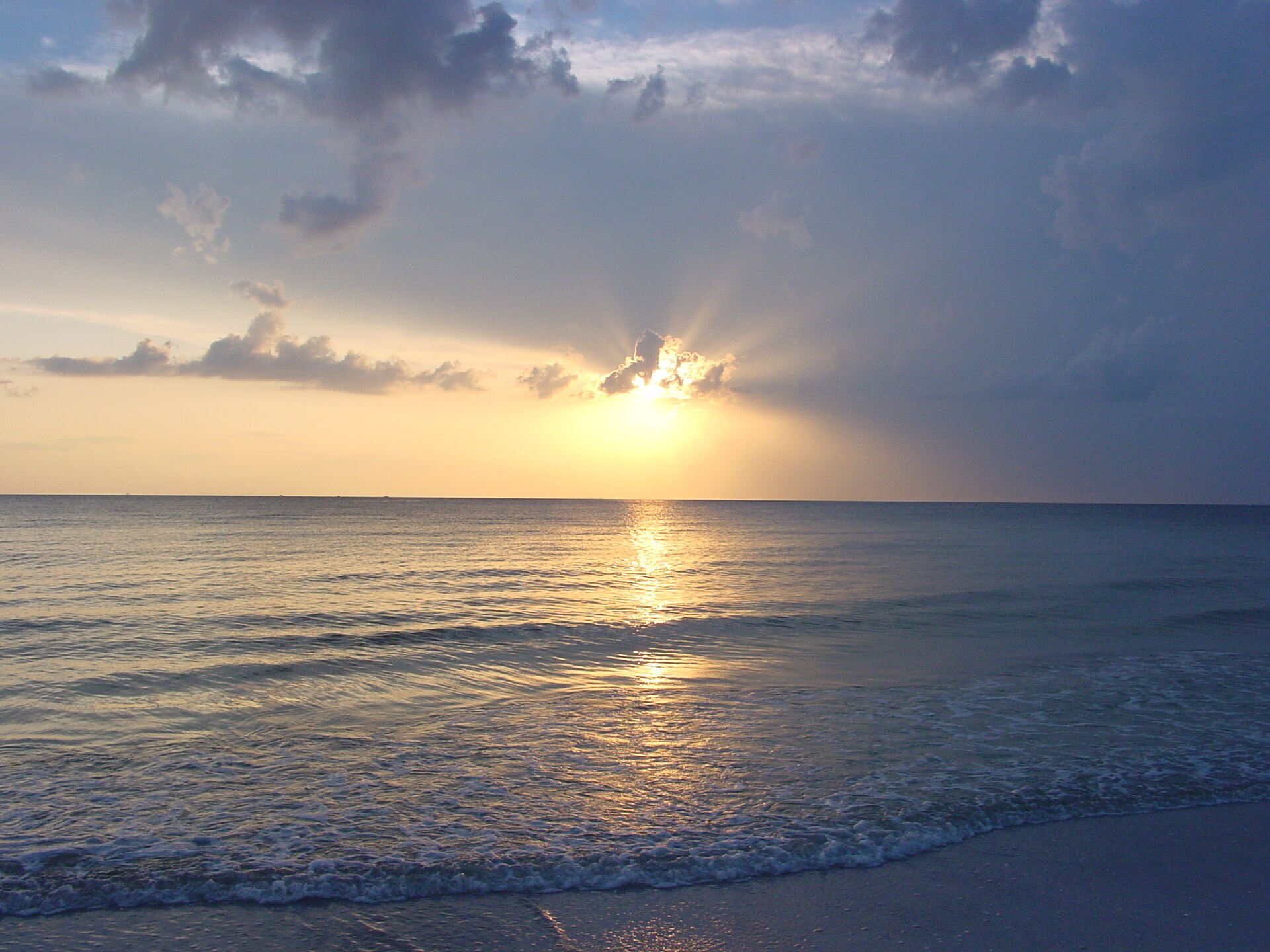
Sunset at North Beach, Fort De Soto Park: photo by Christopher Hollis, Public domain, via Wikimedia Commons.