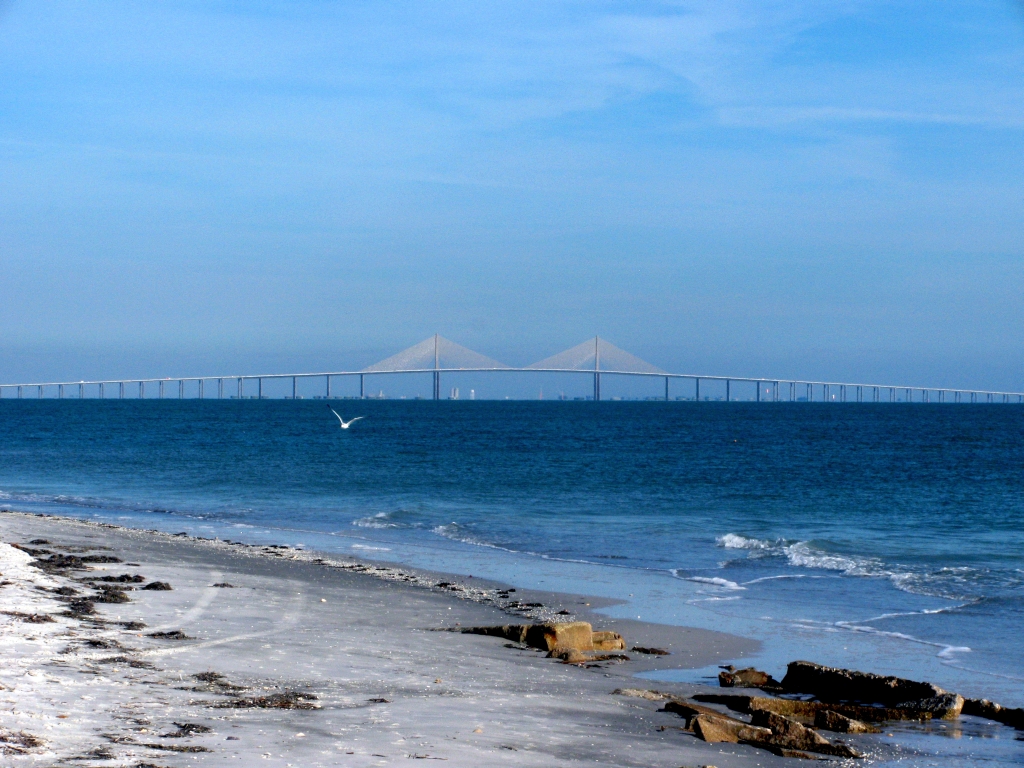
Every ship that sails from Tampa has to fit under a bridge. That one engineering fact shapes everything else about cruises from tampa — which lines call here, how big the ships are, how long the embarkation queue is, and why you will never board a 6,000-passenger megaship in the Channel District. The Sunshine Skyway Bridge crosses the mouth of Tampa Bay with a vertical clearance commonly quoted at around 180 feet, and a ship taller than that simply cannot get out to the Gulf.
Most cruise guides do not mention this at all. It is the single most useful thing to understand before you book, because it explains both the limitation and the advantage: Tampa is a midsize-ship port, and midsize ships mean shorter lines, faster disembarkation and a terminal you can walk through in twenty minutes rather than ninety.
This guide covers the three terminals and their addresses, what embarkation day actually looks like, how to get to the port and what that costs, where to park, the long sail down Tampa Bay that nobody warns you about, and what to do with the days either side. Everything checked against Port Tampa Bay’s and Tampa International Airport’s own published information in September 2026.
The short answer
Port Tampa Bay has three cruise terminals — 2, 3 and 6 — all in the Channel District, immediately east of downtown Tampa and within a few minutes of each other.
- Cruise Terminal 2 — 651 Channelside Drive, Tampa, FL 33602
- Cruise Terminal 3 — 815 Channelside Drive, Tampa, FL 33602 (the central terminal, with the port garage across the street)
- Cruise Terminal 6 — 1333 McKay Street, Tampa, FL 33602
Five lines homeport here: Carnival Cruise Line, Royal Caribbean International, Celebrity Cruises, Norwegian Cruise Line and Margaritaville at Sea, sailing mostly to the Caribbean and Central America.
The airport is about 9.5 miles from the terminals and there is a $40 flat taxi rate between them, which is the single most useful number on this page.
Your terminal is on your cruise documents, not on your ticket price. Check it before you set off. They are close together but they are not the same building, and a driver dropping you at the wrong one on embarkation morning costs you twenty minutes you would rather not spend.
What a Tampa cruise departure costs on the ground
| What | Cost (checked September 2026) | Notes |
|---|---|---|
| Yellow Cab, airport to cruise terminal | $40 flat | Published by Tampa International Airport. Same flat rate as downtown |
| Uber, Lyft or Wridz from the airport | App fare plus a $5.00 airport service fee | Pickup only at designated airport curbs |
| Port Tampa Bay parking | Prepay online, by cruise line | Rates are quoted in the booking flow, not published on the port’s site. Self, valet and oversized options |
| Channelside Parking Garage | Charged by the operator | 810 Channelside Drive, across from Terminal 3. Indoor, 24/7 surveillance |
| Accessible parking | The port’s FAQ covers free disabled parking and the proof required | Check the port’s own FAQ before you travel; we could not verify the current terms |
| Tampa Riverwalk, the day before | Free | 2.6 miles, and it runs to Sparkman Wharf next to the terminals |
| TECO Line Streetcar | Free | Connects the Channel District with downtown and Ybor City |
A couple flying in the day before, taking a cab to a Channel District hotel, walking the Riverwalk, eating at Sparkman Wharf and walking to the terminal the next morning spends about $40 on ground transport for the entire embarkation. A couple driving in and parking at the port for a seven-night sailing will spend substantially more on parking than on getting there. Both are reasonable; the second one is worth pricing before you assume it.
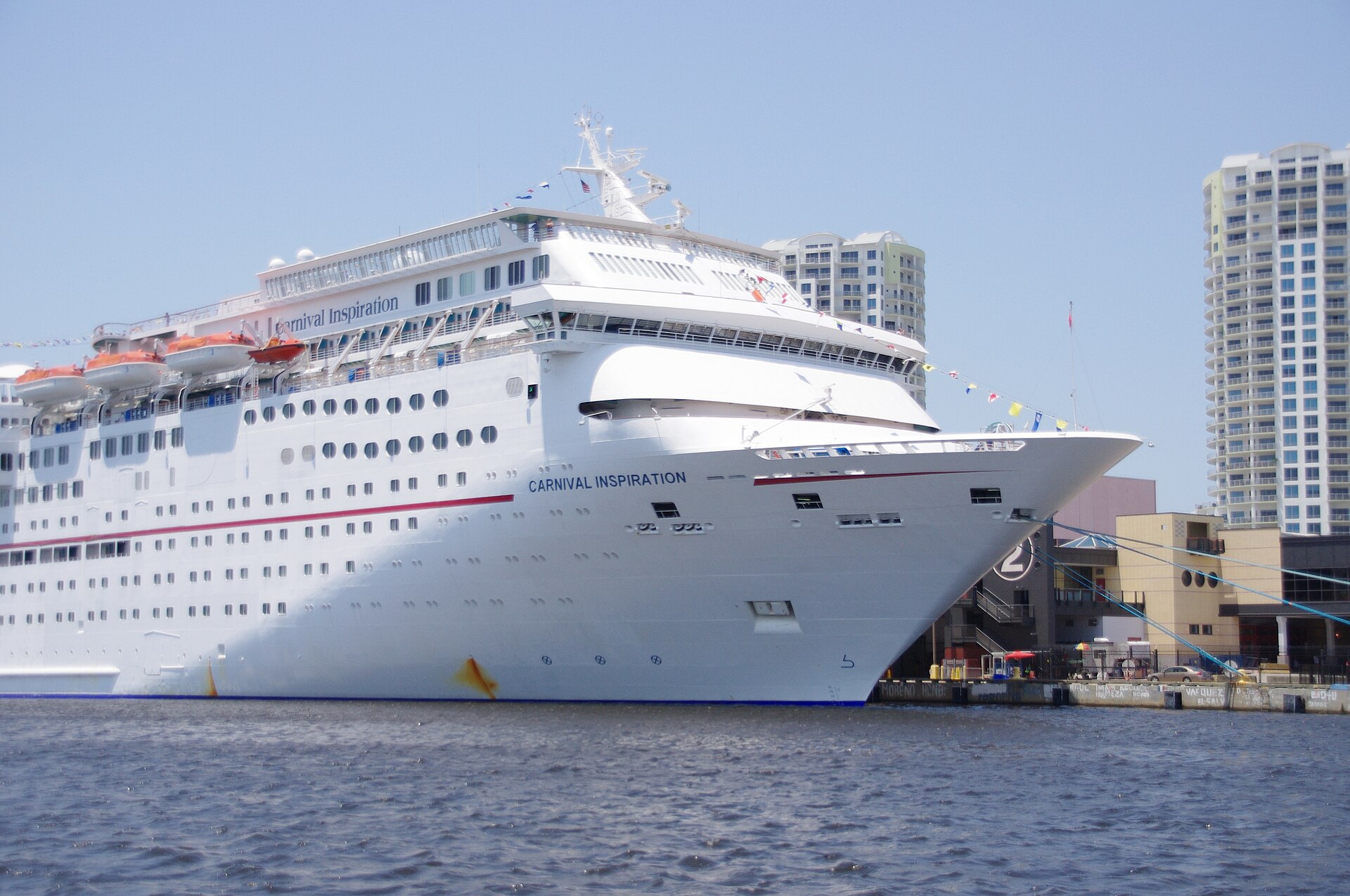
The Skyway ceiling, and why it is good news
Ships leaving Port Tampa Bay sail west down the bay and pass under the main span of the Sunshine Skyway Bridge to reach the Gulf of Mexico. There is no other route.
Published figures for the bridge’s vertical clearance differ — you will see about 180 feet, 181 feet and 190 feet quoted in different places — so the practical working limit is somewhere around 180 feet of air draft. Anything taller does not fit.
The consequence is concrete. Royal Caribbean’s Oasis-class ships have an air draft of roughly 236 feet. They cannot reach Tampa’s cruise berths and never will at the current terminals. The same goes for most of the newest generation of very large ships across the industry. Tampa is structurally a midsize port.
Cruise marketing treats that as a limitation. For a passenger it is mostly an advantage:
- Embarkation is faster. A 2,000-to-3,000-passenger ship does not generate the queue that a 6,000-passenger ship does, and Tampa’s terminals are sized for the ships that can actually come here.
- Disembarkation is faster. Same arithmetic, in reverse, on a morning when you may have a flight.
- The ports of call are less crowded. Two midsize ships in Cozumel is a different experience from one megaship.
- You get the Skyway transit. Sailing under a 180-foot bridge with the superstructure passing close beneath it is genuinely impressive, and the top deck fills for it.
If you specifically want a megaship with a go-kart track and a water park, Tampa is the wrong port and you should be looking at Port Canaveral or Miami. If you want a straightforward Caribbean cruise with less standing in line, Tampa is quietly one of the better options in Florida.
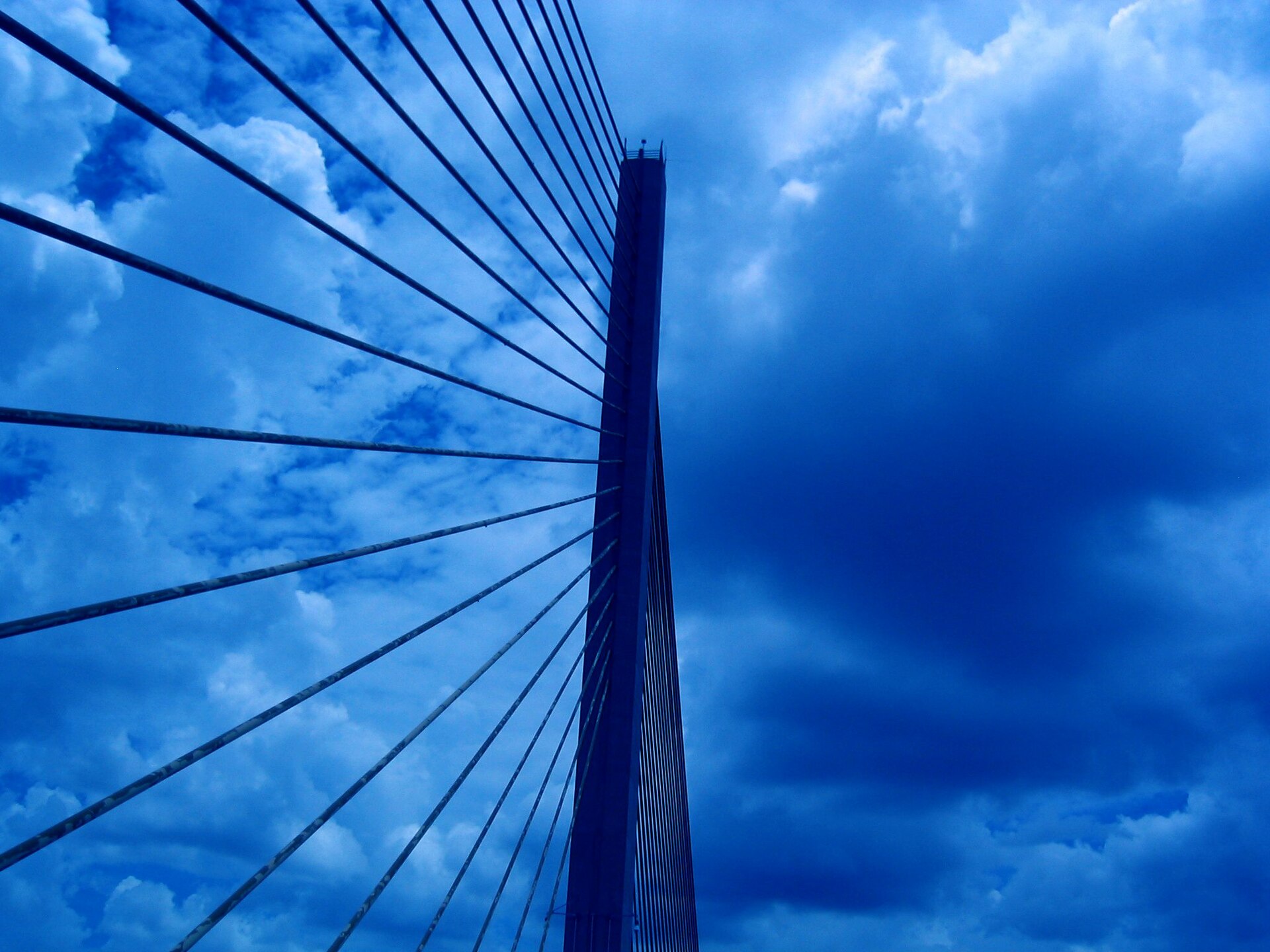
The long sail down the bay
Here is the other thing nobody tells first-time Tampa cruisers. The terminals are not on the ocean. They are at the head of a long, shallow, carefully dredged shipping channel, and there is roughly 25 nautical miles of Tampa Bay between the berth and open Gulf water.
Ships transit it slowly, under pilotage, through a working commercial port. From the moment you leave the berth to the moment you clear the Skyway is a couple of hours, and you will often still be in the bay at dinner.
Three practical consequences:
- The first evening is not a sea day. If you were picturing open water at sunset on day one, adjust.
- The Skyway transit is the best photograph of the cruise and it happens early. On a standard afternoon departure it lands in the late afternoon or around sunset. Be on an outside deck for it rather than unpacking.
- Itineraries lose a few hours to it at both ends. That is part of why Tampa’s Western Caribbean sailings tend to run a day longer than the equivalent from a port that is already on the ocean.
The bay itself is worth watching. You pass container terminals, phosphate berths, shipyards, the Port Tampa Bay industrial complex, and often dolphins in the channel. It is not scenic in a Caribbean sense. It is interesting in a different one.
The working port you sail through
Port Tampa Bay is not primarily a cruise port. It is one of the largest ports in Florida by land area and it handles a substantial share of the state’s bulk cargo — phosphate, fuel, cement, steel, containers and vehicles — across a sprawl of terminals along several channels east and south of downtown.
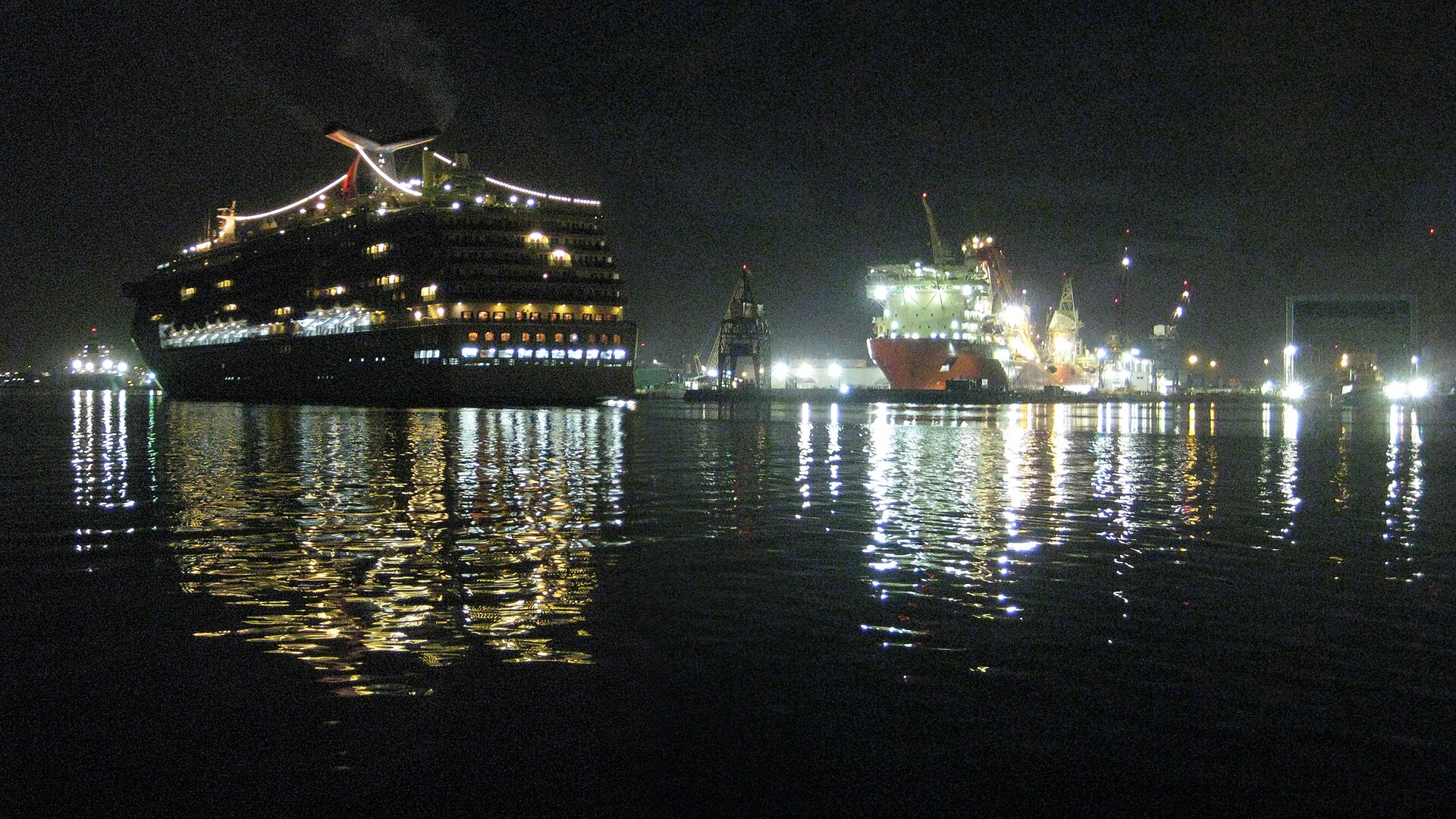
The cruise terminals occupy a corner of that, on the Ybor and Garrison channels in the Channel District. Sailing out, you pass container cranes, tank farms, bulk conveyors, a working shipyard with vessels in drydock, and a great deal of infrastructure that has nothing to do with vacations.
This matters for two practical reasons. The first is that embarkation-day traffic around the terminals shares roads with freight traffic, which is part of why the port routes passenger cars so carefully on the day. The second is that the view from the rail as you leave is industrial before it is scenic — and if you find working ports interesting, as many people quietly do, it is one of the better departures in the United States for that. Dolphins in the channel are common, and pelicans are constant.
Who sails from Tampa, and where to
Port Tampa Bay lists five homeported lines as of September 2026:
| Line | Typical character |
|---|---|
| Carnival Cruise Line | The largest presence in Tampa. Mainstream, family-heavy, value-priced |
| Royal Caribbean International | Mainstream, activity-led, but midsize ships only at this port |
| Celebrity Cruises | Premium end of the mainstream market, more adult-skewed |
| Norwegian Cruise Line | Freestyle dining, no fixed seating, broad demographic |
| Margaritaville at Sea | Short, themed, budget-priced sailings |
The port describes destinations as the Caribbean and Central America, with occasional longer itineraries. In practice, Tampa’s geography — at the top of the Gulf — makes it a natural Western Caribbean port, and the ports of call you will most often see on a Tampa itinerary are in Mexico, the Cayman Islands, Belize, Honduras and Key West.
Do not book on the strength of a general list, here or anywhere. Itineraries change season to season, and the specific ports on your sailing are on your booking confirmation. The port publishes a cruise schedule that is worth checking against your dates, particularly if you want to know how many other ships are in on your embarkation morning.
When Tampa’s cruise season actually is
One planning point that catches people out: Tampa is a seasonally weighted homeport. Ships move around the world with the seasons, and Tampa’s cruise activity is at its strongest through the cooler months — broadly late fall through spring — with a thinner schedule in high summer when many vessels reposition to Alaska, Europe or other markets.
The practical consequences are worth knowing before you fix your dates:
- Choice is widest between roughly October and April. More ships, more lines, more departure dates, more itineraries.
- Summer sailings exist but the field is narrower, and they run through the hottest, wettest and most storm-prone part of the year.
- Two or three ships can be in on the same morning in peak season, which is the difference between an easy embarkation and a queue. The port publishes a cruise schedule; a glance at it for your date tells you what kind of morning you are walking into, and whether the garage is likely to fill.
Check the port’s published schedule against your dates rather than assuming. It is free, it takes a minute, and it is the only way to know how busy your specific departure will be.
The three terminals
All three sit along the Channel District waterfront, within a short distance of each other, and all three are a few minutes from downtown Tampa. They are not interchangeable and your cruise line assigns yours.
Cruise Terminal 2 — 651 Channelside Drive
The westernmost of the three, closest to the Florida Aquarium and Sparkman Wharf, and the most walkable from Channel District hotels.
Cruise Terminal 3 — 815 Channelside Drive
The central terminal, and the one the port garage serves directly — the garage is across the street. If your documents say Terminal 3, parking is about as simple as cruise parking gets.
Cruise Terminal 6 — 1333 McKay Street
The outlier. It is on McKay Street rather than Channelside Drive, further east and a different approach by road. This is the one people get wrong, because a driver who knows “the cruise terminal on Channelside” will take you to the wrong place. Give the full address.
Finding your way in on the day
The port signs two routes on embarkation day and they are worth knowing before you are in the queue:
- The BLUE ROUTE is for passenger drop-off and valet.
- The RED ROUTE is for secure parking at the port.
If you are being dropped off, follow blue. If you are parking your own car, follow red. Picking the wrong one puts you in the wrong traffic stream at the busiest moment of the morning.
Embarkation day, step by step
- Check your terminal number and your boarding zone time the night before. The port’s own instruction is to arrive prior to your zone departure time — not before it opens, and not whenever suits you. Terminals meter arrivals deliberately.
- Approach on the correct route — blue for drop-off and valet, red for parking.
- Hand your checked bags to the porters at the curb. They are tagged with your cabin number and they travel separately; you will not see them again until they appear outside your cabin door, often several hours later.
- Keep with you: passports and travel documents, medication, anything valuable, and — the one most people forget — swimwear and anything you want on the first afternoon.
- Clear security and check-in inside the terminal.
- Board. On a midsize ship at a Tampa terminal this is a genuinely quick process compared with the big Florida ports.
Tipping the curbside porters is customary in US ports. Have small bills.
Parking at the port
Port Tampa Bay offers self parking, valet parking and oversized-vehicle parking, all bookable and payable in advance online, selected by cruise line. The main garage is indoor, monitored around the clock, and sits across the street from Cruise Terminal 3 at 815 Channelside Drive. The Channelside Parking Garage at 810 Channelside Drive is the operator’s address; its office number is 813-906-1904.
An honest note on price: the port does not publish its cruise parking rates on its website. They are quoted inside the prepay booking flow once you select your cruise line and dates. We are not going to invent a number. Book it in advance through the port’s own system rather than turning up, because prepaying is both cheaper and faster, and because a full garage on a two-ship morning is a real possibility.
On accessibility, the port’s FAQ specifically addresses whether parking is free for disabled passengers and what proof is required. We were unable to read the current terms, so check that FAQ directly rather than relying on anything written elsewhere.
The alternatives
- Park-and-cruise hotel packages. Several Tampa hotels bundle a night’s stay with the week’s parking and a shuttle. For a seven-night sailing this often costs less than a week in the port garage, and it removes the risk of a delayed flight the morning of embarkation. Do the arithmetic for your dates.
- Drop off and go home. If someone can drive you, the blue route drop-off takes minutes and costs nothing.
- Rideshare or taxi. For a one-week cruise, two cab fares will usually beat a week of port parking. For a three-night sailing, they usually will not.
Getting to the port
From Tampa International Airport
The airport publishes the distance to the cruise port as 9.5 miles, and the port describes it as a 15-minute drive to the Channelside District. Traffic on an embarkation morning makes that optimistic; allow more.
Yellow Cab runs a $40 flat rate from the airport to the cruise terminal, the same flat rate it charges to downtown Tampa. This is published by the airport and it does not surge.
Uber, Lyft and Wridz add a $5.00 airport service fee to the app fare, and can be picked up only at Red Express Curbside, Blue Express Curbside or the SkyCenter One remote curb.
The practical rule: on a quiet morning a rideshare will usually beat $40. When three ships are loading and every flight has just landed, it usually will not, and the taxi rank is a known quantity. Open the app, and if it is quoting above about $32 before the fee, walk to the rank. Cruise-line transfer packages are typically priced per person, which for two or more people is almost always worse than a $40 cab for the car.
Our Tampa International Airport guide covers the terminal layout, which Airside your airline uses and where each kind of ride collects, which matters more on the return leg than the outbound one.
From elsewhere
- Downtown Tampa: a mile or two. Walkable from parts of the Channel District and Water Street; a short ride from anywhere downtown.
- Ybor City: about 2 miles, and the free TECO Line Streetcar connects the two.
- Clearwater Beach or St. Pete Beach: 25 to 35 miles, across the bay. Allow an hour and a half on an embarkation morning, and more at a weekend.
- Orlando: about 85 miles, roughly 90 minutes without incident. A common combination with a theme park stay, and a common way to miss a ship if you leave it too late.
If you are driving to the port
Tampa is well connected by road and the Channel District is close to all of it. Interstate 275 comes down from the north and across from St. Petersburg; Interstate 4 arrives from Orlando and the east; Interstate 75 runs north–south to the east of the city; and the Selmon Expressway, a toll road, cuts across the southern side of downtown and is usually the quickest approach from the east.
Two things to plan for. Embarkation mornings concentrate a lot of cars into a short window on a handful of streets, so leave more time than the distance suggests. And decide your parking before you set off — port garage, off-site lot or park-and-cruise hotel — because working it out in a queue on Channelside Drive with a boarding time ticking is the worst possible moment to be comparing prices.
Luggage and what the port can and cannot do
Checked bags go to the porters at the curb and are delivered to your cabin. Carry-on is whatever you can manage through security yourself.
The port’s FAQ addresses lost or mis-delivered luggage and whether there is anywhere in the terminal to store bags. The short version: the terminals are transit buildings, not left-luggage offices, and if you arrive in Tampa hours before boarding opens with suitcases and nowhere to put them, that is a problem to solve at a hotel rather than at the terminal. Most Channel District and downtown hotels will hold bags for departing guests on the morning of a cruise.
Accessibility
All three terminals are modern passenger buildings with step-free access, and the port has been adding enclosed boarding bridges at its cruise terminals, which removes the exposed gangway walk in weather.
Accessible parking is addressed directly in the port’s FAQ, including whether it is free and what documentation is required — check the current terms there.
Beyond the terminal, accessibility is the cruise line’s responsibility rather than the port’s: wheelchair assistance at embarkation, accessible cabins, tender arrangements at ports of call that do not have a dock. Arrange all of it with the line in advance, because it cannot be sorted out on the day.
What to do either side of the cruise
This is Tampa’s genuine advantage over some other Florida ports: the terminals are in the city, not forty minutes from it. You can walk out of the Channel District into a real downtown.
- The Tampa Riverwalk — 2.6 miles of free, flat, step-free waterfront path, and its southern end at Sparkman Wharf is a few minutes from the terminals. The single best use of a pre-cruise afternoon, and it costs nothing.
- Ybor City — Tampa’s historic cigar district, about two miles away and reachable on the free TECO Line Streetcar. A National Historic Landmark district, free to walk, and a genuinely distinctive evening.
- The Florida Aquarium — at 701 Channelside Drive, essentially next to the terminals. Adult admission ran $45.95 to $47.95 in mid-September 2026 under date-based pricing. A good half day if you have one, and an easy walk with a suitcase problem already solved.
- Busch Gardens — about 16 miles north by the airport’s published figure, and a full day with its own ticket economics. Worth reading before you buy anything, because the price spread on the same day is close to $100 a head.
- The Gulf beaches — 45 to 75 minutes across the bay. Realistic for a full post-cruise day, tight for a pre-cruise morning.
- St. Petersburg — 25 miles across the bay, with a free pier district and a museum cluster. A good post-cruise day if your flight is late.
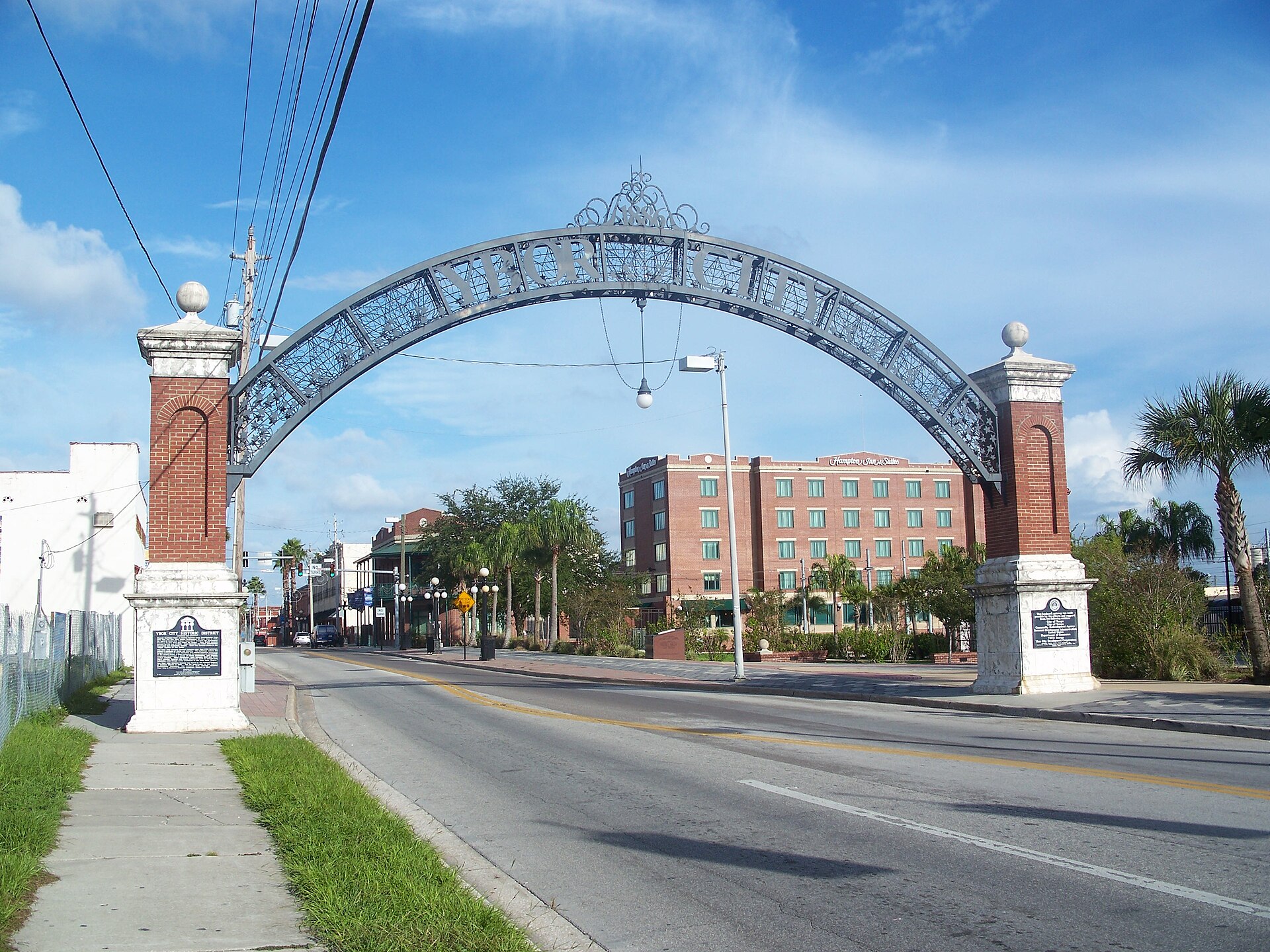
Arrive a day early. Always.
This is not Tampa-specific advice but it applies here as everywhere: fly in the day before, not on embarkation morning. A ship does not wait. A delayed flight into Tampa on the morning of a sailing means catching up with the ship at your own expense at the first port, or not sailing at all. The cost of one hotel night is trivially small against that risk, and Tampa is a good city to spend the evening in.
Disembarkation morning
Ships typically arrive back in Tampa Bay before dawn and are alongside early, having made the long channel transit overnight. Disembarkation generally runs through the morning, in groups, with self-assist walk-off first for anyone carrying their own bags.
Two Tampa-specific points. First, because the ships are midsize, the process is genuinely quicker than at the big ports — but do not use that to justify a tight flight. Second, the airport is only 9.5 miles away, which tempts people into booking an early flight; US Customs and Border Protection clearance, baggage collection and the drive can still absorb several hours. Do not book a flight before about midday, and leave more room than that if you are connecting.
Hurricane season and itinerary changes
Atlantic hurricane season runs June 1 to November 30, with the peak in late summer and early fall. Tampa is a Gulf port and its itineraries run through the western Caribbean, so both ends of the trip are exposed.
What actually happens in practice is rarely cancellation and usually alteration: itineraries get reordered, ports get swapped, and departures get delayed while a system passes. Cruise lines are good at this and it is generally handled well, but it is not a reason to be relaxed about the planning around it.
- Buy travel insurance that covers weather disruption, and buy it before a storm is named.
- Build slack into flights at both ends of a hurricane-season cruise.
- Watch the port’s own announcements as well as your line’s — Port Tampa Bay closing to traffic is a different event from your cruise being changed, and it usually comes first.
- Accept up front that the ports of call on a September itinerary are a plan, not a promise.
Honest notes
- No megaships, ever, at these terminals. The Skyway is about 180 feet and Oasis-class ships are about 236. If that is what you want, go elsewhere.
- Terminal 6 is not on Channelside Drive. It is on McKay Street. Give a driver the full address.
- Port parking rates are not published. Get a quote in the prepay flow before you assume it is cheaper than the alternatives.
- The $40 flat cab from the airport is the benchmark. Per-person transfer packages rarely beat it for two or more people.
- You will still be in Tampa Bay at dinner on day one. That is normal and it is worth being on deck for.
- Do not book a morning flight home. Nine and a half miles is not the constraint; customs and baggage are.
- Arrive a day early. Every time.
Frequently asked questions
Which cruise lines sail from Tampa?
Port Tampa Bay lists five homeported lines as of September 2026: Carnival Cruise Line, Royal Caribbean International, Celebrity Cruises, Norwegian Cruise Line and Margaritaville at Sea. Destinations are principally the Caribbean and Central America.
Why are there no big cruise ships in Tampa?
Every ship leaving Port Tampa Bay must pass under the Sunshine Skyway Bridge to reach the Gulf. Its vertical clearance is commonly given as around 180 feet, so that is the working air-draft limit. Royal Caribbean’s Oasis-class ships are roughly 236 feet and cannot reach the cruise berths. Tampa is a midsize-ship port as a matter of physics.
How many cruise terminals does Tampa have?
Three, all in the Channel District: Terminal 2 at 651 Channelside Drive, Terminal 3 at 815 Channelside Drive, and Terminal 6 at 1333 McKay Street. Your cruise line assigns your terminal and it is on your documents.
How far is Tampa airport from the cruise port?
About 9.5 miles by the airport’s own published figure, described by the port as a 15-minute drive in good conditions. Yellow Cab runs a $40 flat rate between the two. Uber, Lyft and Wridz add a $5.00 airport service fee to the app fare.
How much is parking at Port Tampa Bay?
The port does not publish its cruise parking rates on its website — they are quoted in the online prepay flow once you select your cruise line and dates. Self, valet and oversized-vehicle parking are all offered, and the main garage sits across the street from Cruise Terminal 3. The port’s FAQ separately addresses free disabled parking and the proof required.
How early should I arrive at the cruise terminal in Tampa?
Arrive before your assigned boarding zone time, which the port states as its own instruction. Arriving hours early does not get you on board sooner; the terminals meter arrivals by zone. Follow the blue route for drop-off and valet and the red route for parking.
Can you walk from downtown Tampa to the cruise terminals?
From the Channel District and Water Street, yes — the terminals are at the eastern end of that district and Terminal 2 is a few minutes from Sparkman Wharf. From the middle of downtown it is a mile or two, which is walkable without luggage and not with it.
What is there to do in Tampa before a cruise?
The Tampa Riverwalk is free, 2.6 miles long, and its southern end at Sparkman Wharf is minutes from the terminals. Ybor City is two miles away on the free streetcar. The Florida Aquarium is next door at 701 Channelside Drive. Busch Gardens is a full day about 16 miles north, and the Gulf beaches are 45 to 75 minutes across the bay.
How long does it take to sail out of Tampa Bay?
Roughly a couple of hours from the berth to the open Gulf, through about 25 nautical miles of dredged shipping channel and under the Sunshine Skyway Bridge. On a standard afternoon departure the Skyway transit lands in the late afternoon or around sunset, and it is worth being on deck for.
When should I book my flight home after a Tampa cruise?
Not before about midday, and later if you are connecting. The airport is only 9.5 miles away, but customs clearance, baggage collection and disembarkation groups take time regardless of how close the airport is.
Is Tampa a good cruise port?
For midsize-ship Caribbean cruising, yes — the terminals are in the city rather than isolated, the airport is under ten miles away with a $40 flat cab fare, embarkation is quicker than at the big Florida ports, and there is a genuinely good city to spend the day before in. If you want the newest and largest ships, it is the wrong port.
Related Tampa Guides
- Tampa International Airport Visitor Guide — 9.5 miles away, with the $40 flat cab rate and the Airside layout explained.
- Tampa Riverwalk and Downtown Visitor Guide — free, and it runs to Sparkman Wharf beside the terminals.
- Ybor City Visitor Guide — two miles away on the free streetcar, and the best pre-cruise evening in the city.
- Best Beaches Near Tampa — for a post-cruise day, with verified parking fees and honest drive times.
- Best Things to Do in St. Petersburg Florida — across the bay, and a good use of a late flight.
- Busch Gardens Tampa Bay Vacation Guide — the ticket math, before you bolt a park day onto a cruise.
- Best Restaurants and Food in Tampa Bay — where to eat the night before you sail, and the dishes only Tampa has.
- Best Time to Visit Tampa — which months to sail in, from the official climate normals.
- Where to Stay in Tampa Bay — the best base for a cruise, and what a room really costs once tax and parking are counted.
- Tampa Bay Water Activities, Boating and Fishing Guide — what else to do on the water either side of a sailing.
- Tampa Airport Parking Guide — and why cruise passengers should not use it.
- Tampa Cruise Port Parking — the Channelside garage, the valet upgrade and the free veteran exemption.
- Best Things to Do in Tampa — what fits into the free afternoon before you sail or the day after you dock.
Sources and verification
Checked in September 2026:
- Port Tampa Bay (porttb.com) — the three cruise terminals and their street addresses, the five homeported cruise lines, the Caribbean and Central America destination range, the parking options (self, valet, oversized) and advance prepay by cruise line, the garage location opposite Terminal 3 and the Channelside Parking Garage address and telephone number, the blue and red departure routes, the instruction to arrive before your boarding zone time, and the existence of FAQ entries covering accessible parking and luggage. Checked 19 September 2026.
- Tampa International Airport (tampaairport.com) — the published 9.5-mile distance to the cruise port, the $40 Yellow Cab flat rate to the cruise terminal, and the $5.00 rideshare airport service fee. Checked 19 September 2026.
- Sunshine Skyway Bridge clearance — published figures vary between roughly 180 and 190 feet depending on source, and Oasis-class air draft is roughly 236 feet. We have given the range rather than a single number because the sources genuinely disagree. Checked 19 September 2026.
- The Florida Aquarium (flaquarium.org) — date-based adult admission of $45.95 to $47.95, mid-September 2026.
What we did not verify, and are flagging rather than guessing: current Port Tampa Bay parking rates, which the port does not publish on its website; the current terms for free accessible parking; the valet upgrade fee; specific ports of call on any given itinerary, which change by season and sailing; and cruise line terminal assignments, which are made per sailing and appear on your own documents.
We have not sailed from this port on your behalf, interviewed anyone, tested any service described here or taken original photographs, and nothing above should be read as implying that we did. This is a desk-researched guide built from the port’s and the airport’s own published information and openly licensed photography, dated so you can judge how current it is. Confirm your terminal, your boarding time and your parking booking with your cruise line and with Port Tampa Bay before you travel.
Photo credits
The Sunshine Skyway Bridge from Fort De Soto: photo by Buddy431, CC BY-SA 3.0, via Wikimedia Commons.
The Sunshine Skyway pylon from below: photo by Beau Culpepper, CC BY 2.5, via Wikimedia Commons.
A cruise ship alongside a Tampa cruise terminal: photo by Matthew Baker, CC BY-SA 3.0, via Wikimedia Commons.
A ship entering the Sparkman Channel before dawn: photo by TampAGS, for AGS Media, CC BY-SA 3.0, via Wikimedia Commons.